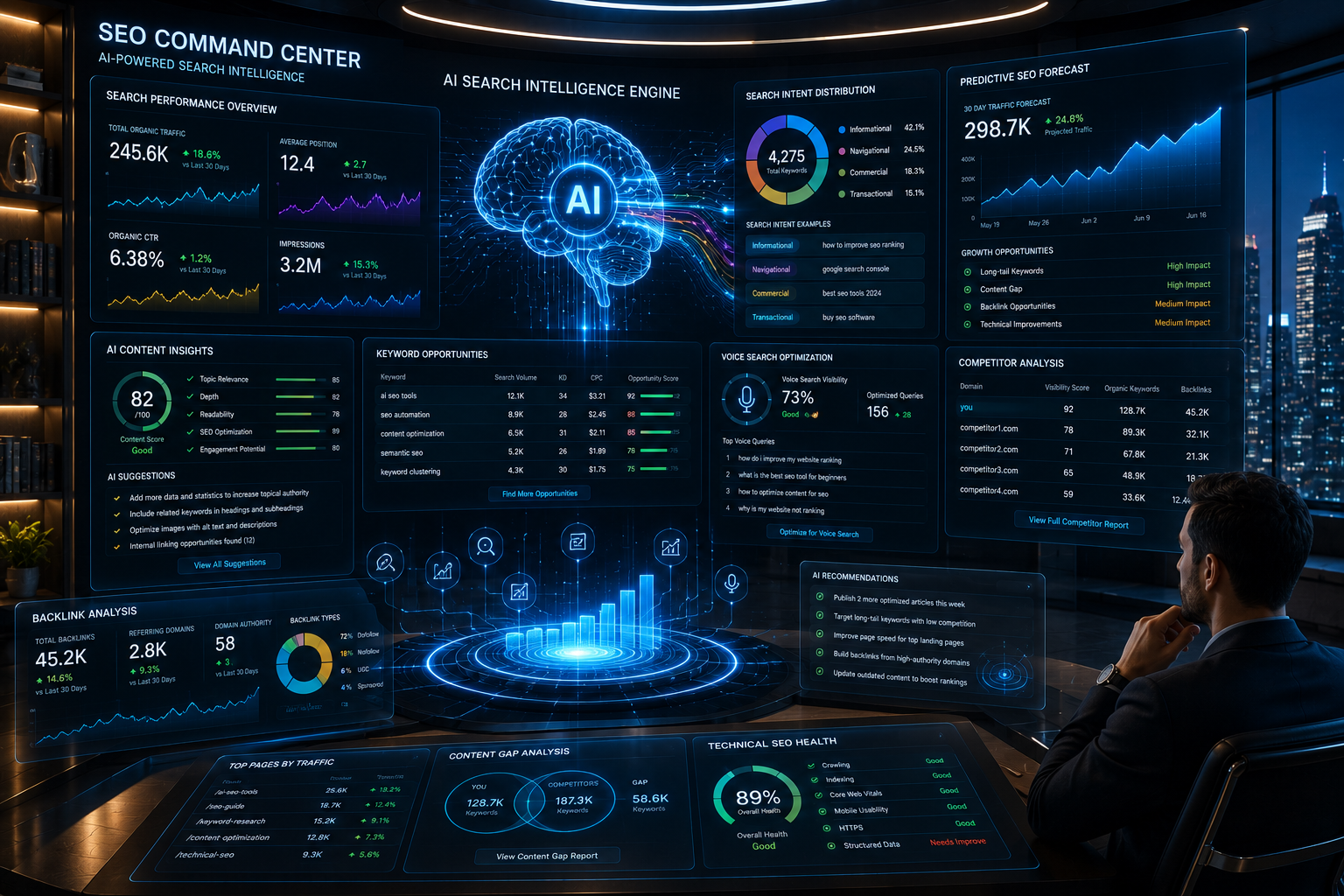
Search engine optimization has always involved research, content creation, technical improvements, and ongoing analysis. The difference today is that many of these activities can be completed faster and more efficiently with artificial intelligence. How to use AI for SEO starts with understanding that AI is not a replacement for strategy. Instead, it is a tool that helps marketers process data, identify opportunities, create content outlines, analyze competitors, and improve workflows. Businesses that use AI effectively can save time on repetitive tasks and focus more attention on decision-making and execution. While AI can generate ideas and assist with optimization, successful SEO still depends on expertise, quality content, user experience, and a clear understanding of search intent. The companies achieving the best results are using AI to enhance their SEO processes rather than relying on automation alone.
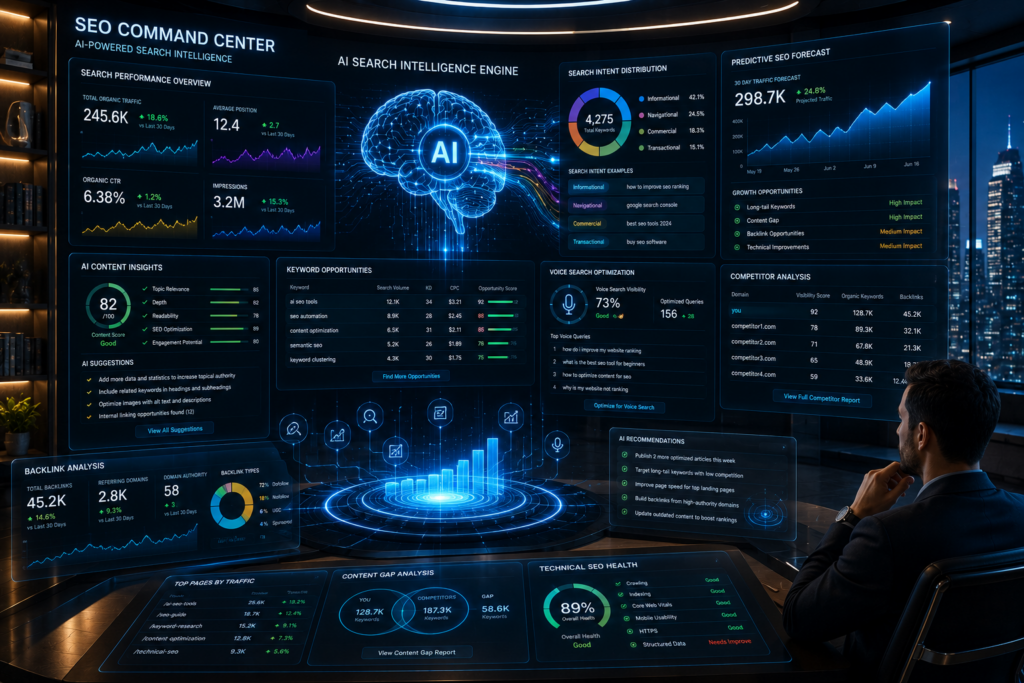
Using AI For Keyword Research And Search Intent Analysis
Keyword research remains one of the most important parts of SEO. AI tools can help identify relevant topics, uncover long-tail keyword opportunities, group related search terms, and analyze search intent more quickly than traditional manual methods. Instead of reviewing hundreds of keywords individually, marketers can use AI to organize keywords into logical content clusters and identify patterns within large datasets.
Search intent analysis is particularly valuable because ranking success depends on matching content to what users actually want. AI can help identify whether searchers are looking for information, products, services, comparisons, or solutions. This allows content creators to develop pages that align more closely with user expectations. Better alignment often leads to improved engagement and stronger search visibility over time.
Creating Better Content With AI Assistance
One of the most common applications of AI in SEO is content creation support. AI can generate topic ideas, content briefs, outlines, headline suggestions, FAQs, and draft sections. This significantly reduces the amount of time required to move from concept to published content. However, AI-generated content should rarely be published without human review.
The strongest SEO content combines AI efficiency with human expertise. AI can accelerate research and drafting, but businesses still need subject matter knowledge, original insights, and editorial oversight. Search engines increasingly prioritize content that demonstrates expertise and provides genuine value to readers. Human review ensures that content remains accurate, useful, and aligned with brand goals. Businesses using AI for content production often find that the technology works best as a collaborative tool rather than a fully automated solution.
Improving On-Page SEO Through AI Analysis
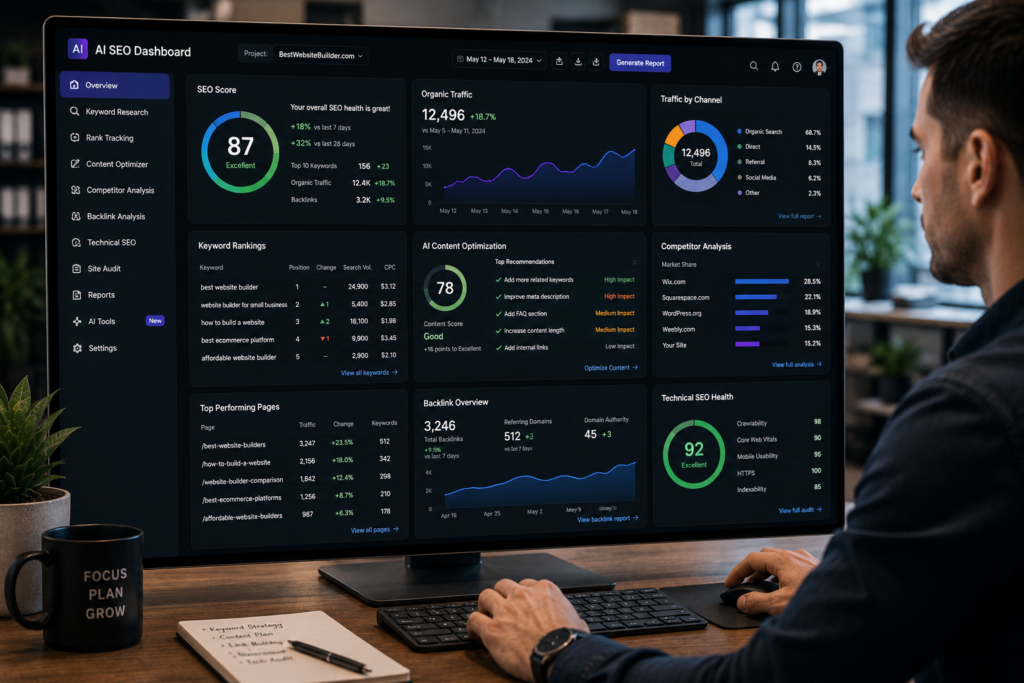
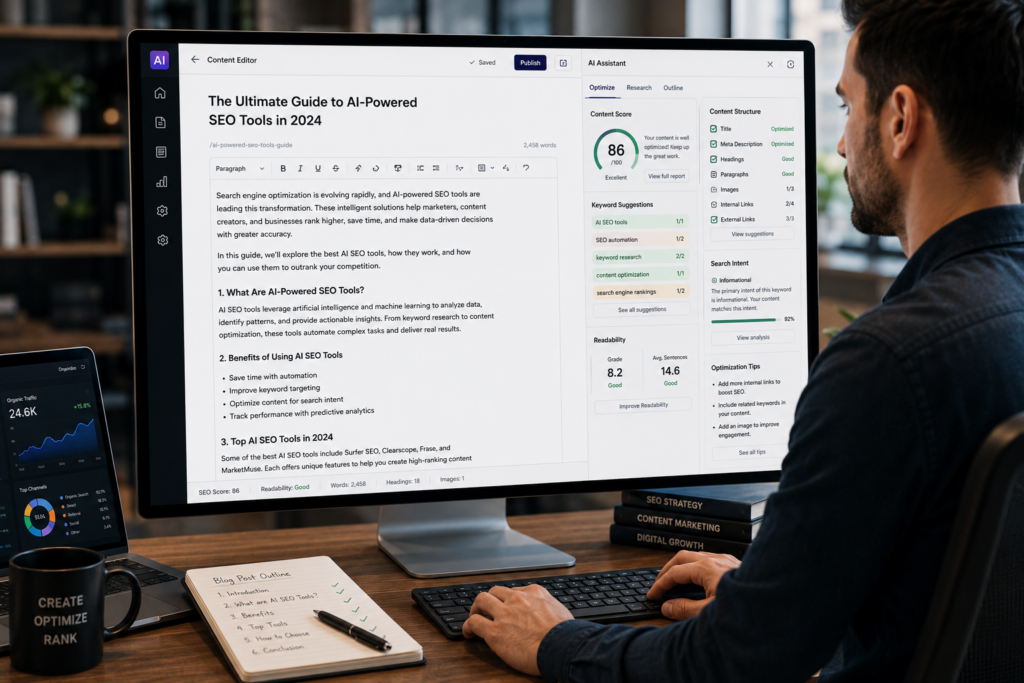
AI can help identify opportunities to strengthen on-page optimization. Content analysis tools evaluate factors such as keyword coverage, topical relevance, heading structure, content depth, internal linking opportunities, and readability. These insights allow marketers to make improvements without manually reviewing every page element.
When learning how to use AI for SEO, on-page optimization is often one of the easiest areas to improve because AI can quickly analyze large amounts of content. It can highlight missing topics, identify content gaps, and recommend additional information that may improve relevance. This helps ensure that pages cover important aspects of a topic while remaining focused on user needs. The goal is not to follow every AI recommendation blindly but to use data-driven insights to make informed optimization decisions.
Using AI To Strengthen Technical SEO Efforts
Technical SEO can involve thousands of pages, making manual analysis difficult for larger websites. AI-powered tools can identify crawl issues, broken links, duplicate content, indexing problems, page speed concerns, and structural weaknesses more efficiently than manual audits alone.
Large websites benefit especially from automated technical analysis because AI can process extensive datasets and surface issues that may otherwise go unnoticed. Businesses investing in long-term organic growth often combine AI-driven audits with professional Technical SEO Services to ensure that identified issues are addressed correctly. Technical improvements help search engines crawl, understand, and index content more effectively, creating a stronger foundation for SEO success.
Analyzing Competitors More Efficiently
Competitive research provides valuable insights into content opportunities, ranking strategies, and market positioning. AI tools can analyze competitor websites, identify ranking keywords, evaluate content structures, and uncover gaps that may represent opportunities.
Instead of manually reviewing dozens of competing pages, AI can summarize patterns and highlight common factors among top-performing content. This allows marketers to focus on strategy rather than spending excessive time gathering information. Competitive insights can help guide content planning, keyword targeting, and site improvements. The purpose of competitor analysis is not to copy competitors but to understand what is working within a market and identify opportunities to create stronger content.
Scaling Content Planning And Topic Clusters
As websites grow, content planning becomes increasingly complex. AI can help organize topics into clusters, identify supporting content opportunities, and create logical relationships between pages. This supports topical authority and helps search engines understand how different pieces of content relate to one another.
Topic clustering allows businesses to build comprehensive coverage around important subjects rather than relying on isolated articles. AI can identify related questions, subtopics, and content gaps that support broader SEO goals. Companies investing in scalable digital growth often pair content strategies with services such as SEO Services to ensure that content development aligns with overall search visibility objectives. A structured content strategy often produces stronger long-term results than publishing individual articles without a broader plan.
Avoiding Common AI SEO Mistakes
One of the biggest mistakes businesses make is assuming AI can handle SEO entirely on its own. Publishing unedited AI-generated content, over-optimizing pages based on automated recommendations, and ignoring user experience can create problems rather than improvements.
Another common issue is prioritizing search engines over users. Successful SEO requires content that satisfies both. AI can provide useful recommendations, but human judgment remains essential when evaluating quality, relevance, and accuracy. Businesses should also verify facts, review sources, and ensure that content reflects genuine expertise. AI is most effective when it supports strategy rather than replacing it. Organizations that combine automation with human oversight often achieve better outcomes than those relying solely on automated processes.
The Future Of AI In Search Engine Optimization
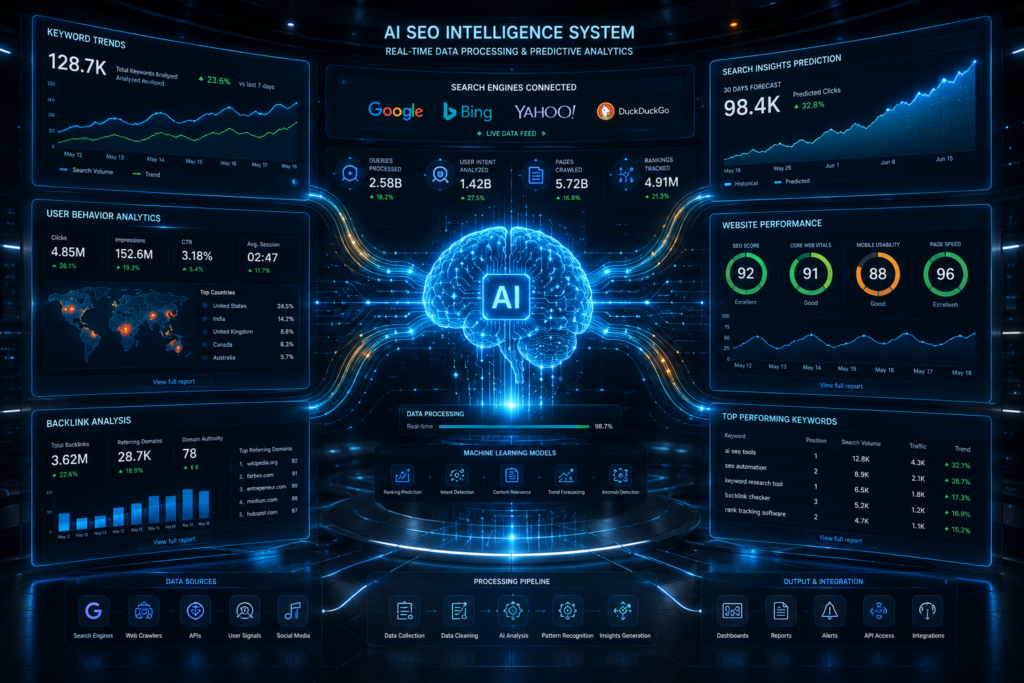
Artificial intelligence is becoming increasingly integrated into both search engines and SEO workflows. As search algorithms evolve, AI will continue helping marketers analyze data, create content, and identify optimization opportunities more efficiently. At the same time, search engines are becoming better at evaluating content quality, expertise, and user satisfaction.
According to the National Institute of Standards and Technology (NIST), artificial intelligence is playing a growing role in helping organizations process information and support decision-making. SEO professionals are applying these capabilities to improve efficiency while maintaining content quality and strategic direction. The businesses that benefit most from AI will be those that use it thoughtfully as part of a broader SEO strategy rather than viewing it as a shortcut.
Conclusion
How to use AI for SEO involves much more than generating content. AI can assist with keyword research, search intent analysis, content planning, technical audits, competitor research, and on-page optimization. These capabilities help businesses work more efficiently while uncovering opportunities that might otherwise be missed.
The strongest results come from combining artificial intelligence with human expertise, strategic planning, and a commitment to creating valuable content. AI can accelerate many aspects of SEO, but long-term success still depends on understanding audiences and delivering meaningful experiences. Businesses looking to strengthen their organic visibility and build sustainable growth often work with specialists such as Best Website Builder Group to develop SEO strategies that balance technology, quality, and performance.