Many entrepreneurs exploring e-commerce eventually ask who is the owner of Shopify because the leadership behind a platform often influences its long-term direction, innovation, and reliability. Shopify is owned by its shareholders as a publicly traded company, but Tobias Lütke, the company’s co-founder and CEO, remains the most influential figure behind the platform. Through a special share structure, Lütke maintains significant voting control and continues guiding Shopify’s vision. This leadership approach has helped Shopify grow from a small online snowboard store solution into one of the world’s leading e-commerce platforms. Understanding who is the owner of Shopify helps merchants understand why the company prioritizes entrepreneurship, platform flexibility, and merchant independence. The leadership philosophy behind Shopify has directly influenced the tools, features, and ecosystem that millions of businesses rely on today.

The Origins Of Shopify And Tobias Lütke
To fully understand who is the owner of Shopify, it helps to examine how the platform started. In 2004, Tobias Lütke, a German programmer living in Canada, attempted to launch an online snowboard business. At the time, available e-commerce platforms lacked the flexibility and customization he needed, so he decided to build his own system from scratch. That internal solution eventually evolved into Shopify. Alongside co-founders Scott Lake and Daniel Weinand, Lütke officially launched Shopify in 2006. While the other founders later stepped away from daily operations, Lütke remained deeply involved in product development and leadership. His technical background strongly influenced Shopify’s developer-friendly ecosystem and scalable architecture. Rather than approaching e-commerce purely from a corporate perspective, Shopify grew from the mindset of solving real merchant frustrations. That entrepreneurial origin story continues shaping the company’s identity today.
How Shopify Ownership Works As A Public Company
Many people assume Shopify belongs entirely to Tobias Lütke, but Shopify is actually a publicly traded company listed on the New York Stock Exchange and the Toronto Stock Exchange. This means shareholders collectively own the company. However, when asking who is the owner of Shopify, Lütke is still considered the central controlling figure because he holds a special class of shares that provide enhanced voting power. This dual-class structure allows him to maintain long-term influence over company decisions even though public investors own large portions of Shopify stock. Institutional investment firms such as Vanguard and BlackRock also hold substantial shares, but the company’s governance structure ensures that Shopify’s direction remains founder-led. This approach is increasingly common among technology companies that want to preserve long-term vision instead of focusing only on short-term shareholder pressure.

Why Tobias Lütke’s Leadership Matters
Tobias Lütke’s influence extends far beyond ownership percentages. When learning who is the owner of Shopify, understanding his leadership style explains much of Shopify’s growth and reputation. Unlike many executives who come from finance or marketing backgrounds, Lütke is primarily an engineer and product-focused developer. His technical mindset shaped Shopify into a platform designed for flexibility, scalability, and customization. Under his leadership, Shopify expanded beyond basic online stores into a complete commerce ecosystem that includes payment systems, fulfillment tools, mobile commerce, POS systems, and enterprise solutions. Lütke has consistently emphasized merchant empowerment and platform independence rather than locking users into restrictive systems. Businesses that invest in scalable ecommerce growth often combine Shopify infrastructure with professional Shopify Website Design strategies to improve performance, conversions, and long-term usability.
How Shopify Became A Global E-Commerce Leader
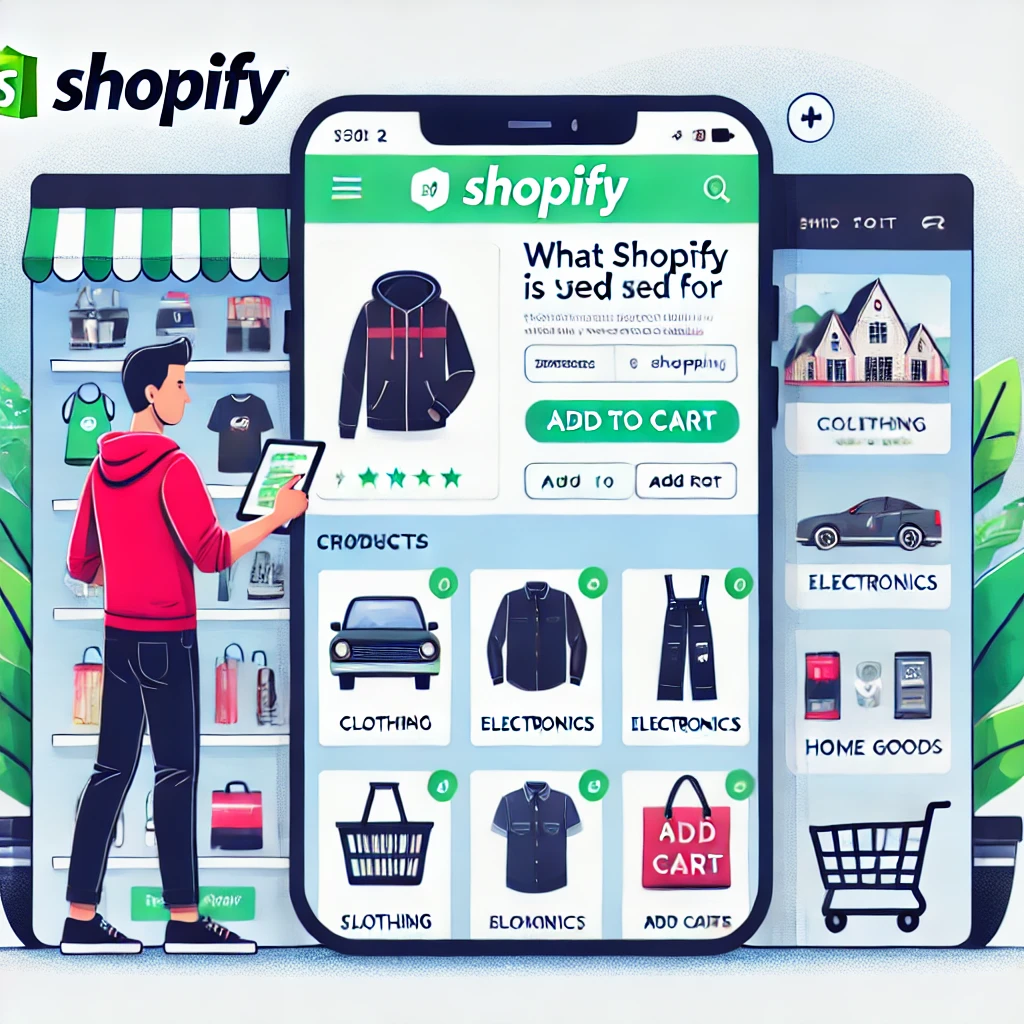
Shopify’s growth has been driven by its ability to simplify online selling while still supporting advanced customization. When researching who is the owner of Shopify, many business owners also want to understand why the platform became so dominant in e-commerce. Shopify gained popularity because it lowered technical barriers for entrepreneurs while still supporting enterprise-level growth. Small businesses could launch stores quickly, while larger brands could scale operations using apps, APIs, and integrations. Shopify also invested heavily in its developer ecosystem, which helped expand platform functionality rapidly. Over time, Shopify evolved into a commerce infrastructure provider rather than just a website builder. According to Forbes, Shopify’s continued expansion into payments, logistics, and AI-powered commerce tools has strengthened its position as one of the leading ecommerce platforms globally.

Shopify’s Merchant-First Philosophy
One reason Shopify gained strong loyalty among entrepreneurs is its merchant-focused philosophy. Understanding who is the owner of Shopify helps explain why the platform consistently prioritizes business flexibility and ownership. Tobias Lütke has often described Shopify’s mission as helping entrepreneurs compete against larger corporations. This philosophy influences product development decisions, platform openness, and integration support. Rather than controlling every aspect of the e-commerce experience, Shopify allows merchants to customize stores, connect external tools, and maintain ownership of their brand presence. This flexibility makes Shopify appealing to businesses that want scalability without sacrificing independence. Merchant empowerment remains one of Shopify’s strongest differentiators in the e-commerce market.
The Leadership Team Beyond The Founder
Although Tobias Lütke remains the central figure associated with Shopify ownership, the company’s growth also depends on a broader executive leadership team. Shopify’s leadership includes executives focused on operations, finance, product development, and merchant experience. President Harley Finkelstein has become one of the public faces of Shopify and plays a major role in brand development and merchant relationships. Other executives oversee infrastructure, AI initiatives, partnerships, and global expansion. This collaborative leadership structure allows Shopify to scale while maintaining its original entrepreneurial culture. The company’s remote-first operating model also helped Shopify expand efficiently and attract talent globally. Leadership stability contributes to merchant confidence and reinforces Shopify’s reputation as a long-term ecommerce platform.

How Shopify Ownership Affects Merchants
Understanding who is the owner of Shopify is important because leadership philosophy directly affects merchants using the platform. Founder-led companies often move differently than corporations driven primarily by short-term investor expectations. Shopify’s leadership has consistently focused on platform development, merchant tools, and ecosystem expansion instead of maximizing immediate monetization at the expense of user experience. This approach helped Shopify maintain strong relationships with entrepreneurs and developers alike. Continuous updates, app ecosystem improvements, and commerce innovation all reflect this long-term strategy. Businesses that want scalable e-commerce systems often pair Shopify with professional Ecommerce Website Design strategies to create stronger customer experiences and improve growth potential.
The Future Of Shopify Under Current Leadership
Shopify continues expanding beyond traditional ecommerce into AI tools, enterprise commerce, retail integrations, and global fulfillment systems. When exploring who is the owner of Shopify, many businesses are also evaluating the platform’s future direction. Tobias Lütke’s continued control provides consistency and helps preserve Shopify’s long-term vision. The company has invested heavily in artificial intelligence, automation, and advanced merchant tools designed to improve operational efficiency and customer experience. Shopify also continues strengthening integrations with social commerce, mobile shopping, and omnichannel retail systems. This ongoing innovation helps the platform remain competitive in a rapidly changing digital commerce landscape.

Conclusion
Understanding who is the owner of Shopify provides insight into why the platform evolved into one of the world’s most influential ecommerce ecosystems. While Shopify is publicly owned through shareholders, Tobias Lütke remains the driving force behind its long-term direction and merchant-focused philosophy. His leadership helped transform Shopify from a small internal tool into a global commerce platform used by millions of businesses. Shopify’s founder-led structure continues influencing product innovation, platform flexibility, and merchant empowerment. Businesses looking to maximize the platform’s capabilities often work with experienced teams like Best Website Builder Group to create scalable, conversion-focused Shopify stores built for long-term growth and performance.