
A good website combines clear navigation, useful content, fast loading speeds, mobile-friendly design, and reliable security. It should help visitors find information quickly and complete important actions without confusion. Understanding what makes a good site also involves evaluating accessibility, visual appearance, and search engine optimization. A website may look attractive, but poor functionality can easily discourage visitors.
Every website serves a different purpose. An ecommerce store focuses on sales, while a service website may prioritize customer inquiries. However, successful websites share several essential qualities. These elements work together to create a positive user experience and support business growth.

What Makes A Good Site For Visitors
The most important quality of a website is its ability to meet visitor expectations. Users should immediately understand what the website offers and how it can help them. A clear homepage headline, relevant images, and straightforward information establish that purpose. Avoid complicated introductions or vague marketing statements that leave visitors confused.
Content should answer common questions and provide practical information. For example, a cleaning company should explain its services, locations, and contact options. Similarly, an online store needs accurate product descriptions and understandable pricing. Organize information using descriptive headings and readable paragraphs. Additionally, update outdated details to maintain accuracy. A website that provides useful content encourages visitors to explore additional pages and builds confidence in the business.
Simple Navigation And Logical Page Structure
Navigation determines how easily visitors move between different website sections. A clear menu with familiar labels such as Home, About, Services, and Contact helps users locate information. Keep important pages accessible without requiring several unnecessary clicks. Complicated dropdown menus and confusing categories can discourage visitors from exploring the website.
What makes a good site easy to navigate is a logical structure that connects related information. For example, a services overview should provide links to individual service pages. Likewise, product categories should direct shoppers toward relevant listings. Maintain consistent headers and footers throughout the website. Mobile navigation also deserves attention because smaller screens require compact, accessible menus. Simple navigation reduces frustration and makes the browsing experience more comfortable.

Fast Loading Speed And Reliable Performance
Website speed influences usability and visitor satisfaction. Slow-loading pages interrupt browsing and may cause visitors to leave before finding the information they need. Large image files, excessive scripts, unnecessary plugins, and unreliable hosting can all affect performance. Therefore, website owners should regularly evaluate loading times and eliminate avoidable technical problems.
Google’s Core Web Vitals guidance identifies important measurements for loading performance, responsiveness, and visual stability. These metrics help developers understand how visitors experience individual pages.
| Performance Metric | What It Measures | Good Threshold |
|---|---|---|
| Largest Contentful Paint (LCP) | Main content loading performance | 2.5 seconds or less |
| Interaction to Next Paint (INP) | Responsiveness to user interactions | 200 milliseconds or less |
| Cumulative Layout Shift (CLS) | Unexpected visual movement | 0.1 or less |
To improve speed, compress images, configure caching, and remove unnecessary resources. Choose reliable hosting and test performance after major website updates. Fast, stable pages allow visitors to browse more comfortably and interact with content without unnecessary interruptions.
Mobile-Friendly And Responsive Design
Mobile compatibility is essential because visitors access websites through smartphones, tablets, and desktop computers. Responsive design automatically adjusts page layouts according to available screen space. For example, three service cards displayed horizontally on a desktop may appear vertically on a smartphone. This arrangement helps preserve readability and prevents unnecessary horizontal scrolling.
When discussing what makes a good site, mobile usability deserves particular attention. Navigation buttons should remain easy to tap, and text should be readable without zooming. Images must resize properly without becoming stretched or cropped incorrectly. Forms should also work comfortably on smaller screens. Professional web design services can help businesses develop responsive layouts that maintain consistent functionality across devices. Testing real mobile interactions helps identify issues that desktop previews may overlook.

Professional Appearance And Consistent Branding
Visual presentation influences visitors’ first impressions of a business. A professional website uses consistent colors, readable typography, high-quality images, and balanced spacing. These elements help establish a recognizable identity. However, excessive animations, decorative effects, and competing colors can distract users from important information. A clean layout often communicates more effectively than an overcrowded design.
Consistent branding is another factor in what makes a good site trustworthy. Use the same logo, button styles, heading sizes, and color combinations throughout the website. Maintain adequate white space between sections to improve readability. Choose images that represent your products or services accurately. Additionally, ensure that important buttons remain visually distinct from surrounding content. Professional design should support communication and functionality rather than simply make pages look attractive.
Accessibility And User-Friendly Features
Accessibility helps ensure that visitors with different abilities can navigate and understand website content. Important practices include readable text, sufficient color contrast, descriptive links, and alternative text for meaningful images. Visitors should also be able to operate essential functions using a keyboard. These improvements create a more inclusive experience and often benefit all users.
User-friendly functionality also plays a major role in website quality. Contact forms should be simple, buttons should clearly describe their actions, and error messages should explain how to correct problems. Avoid unexpected pop-ups that interrupt reading or navigation. Use descriptive headings to organize longer pages and make information easier to scan. Regular usability testing can reveal confusing layouts and unnecessary steps. A website becomes more effective when visitors can complete their tasks independently.
Search Engine Optimization And Website Security
Search engine optimization helps search engines understand website content and identify relevant pages. Effective SEO practices include descriptive page titles, logical headings, natural keyword placement, and useful internal links. Content should address the needs behind relevant searches rather than repeat keywords excessively. Clear URLs and organized page structures also support website navigation and search visibility.
Security contributes to what makes a good site reliable. HTTPS protects data transmitted between browsers and websites, while software updates help address known vulnerabilities. Website owners should also use strong passwords, suitable user permissions, and dependable backups. Review third-party plugins and integrations before installing them. Professional SEO services can support technical optimization and organic search performance. Maintaining both security and SEO helps create a more dependable online presence.
Clear Calls To Action And Conversion Opportunities
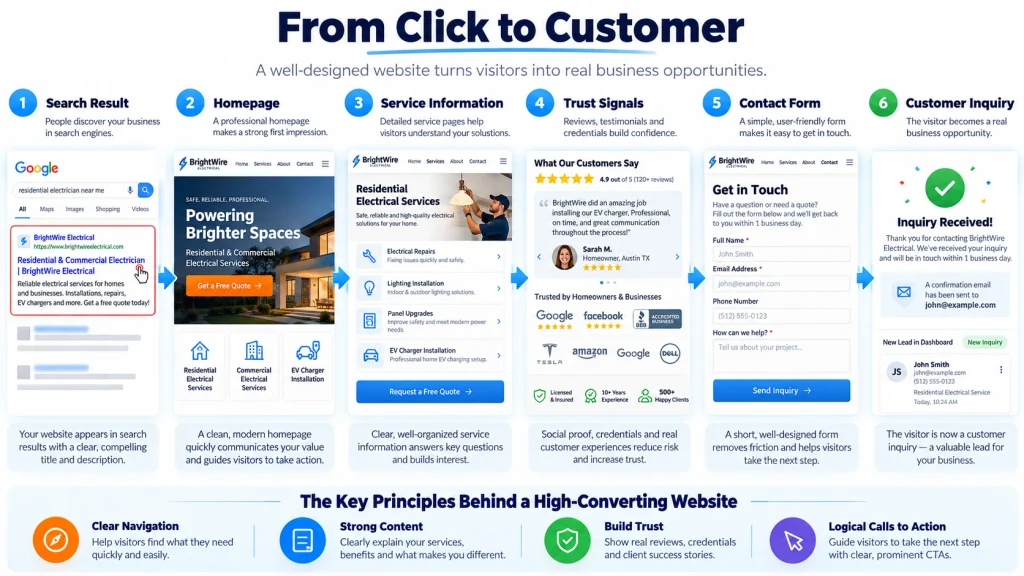
A website should guide visitors toward meaningful actions. Depending on its purpose, these actions might include requesting estimates, scheduling appointments, purchasing products, or contacting a business. Clear calls to action help visitors understand what to do next. Place important buttons near relevant information instead of displaying several competing options.
Understanding what makes a good site effective also requires measuring how visitors respond. Use specific button labels such as “Request A Quote” or “Schedule An Appointment” instead of vague instructions. Support these actions with helpful service details, authentic testimonials, and straightforward forms. Analytics can reveal which pages generate inquiries and where visitors leave. Reviewing this information helps businesses improve website layouts, content, and conversion opportunities over time.
Conclusion
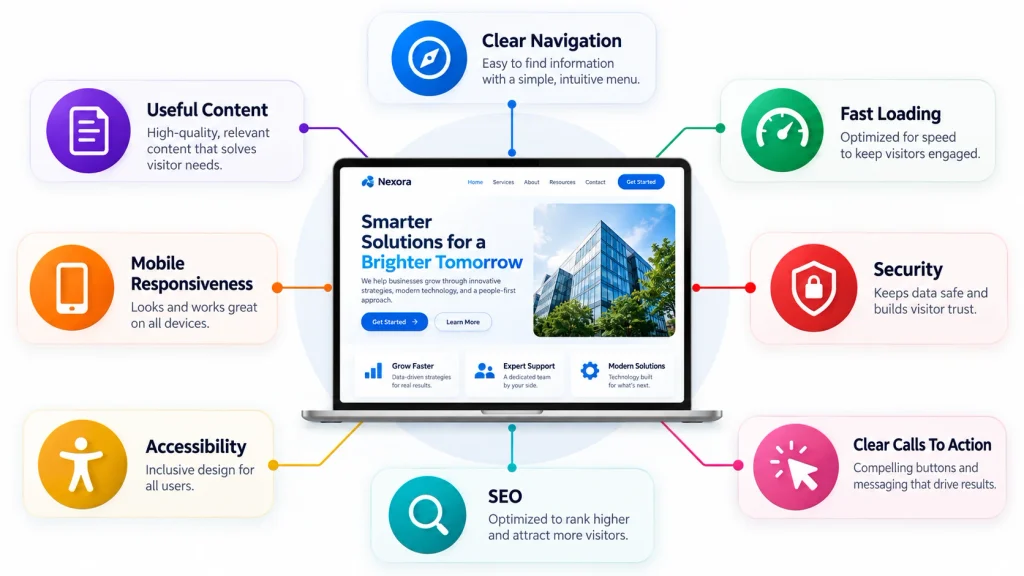
Understanding what makes a good site involves more than creating an attractive design. Successful websites combine useful information, clear navigation, fast performance, responsive layouts, and accessible features. Security and search engine optimization also contribute to overall website quality.
Regular testing and maintenance help preserve these benefits. Update outdated content, monitor loading performance, review website functionality, and improve areas that frustrate visitors. Even small adjustments can strengthen the browsing experience.
At Best Website Builder Group, businesses can access professional website design, development, and SEO solutions. These services help create reliable, user-friendly websites that support customer engagement and long-term business goals.