
The rapid growth of online shopping has introduced many new terms into business and marketing conversations. One question that frequently appears in writing, digital marketing, and website content is is it ecommerce or e-commerce. Both spellings describe the same concept of buying and selling products or services through the internet. However, writers, marketers, and business owners often debate which version is correct and which one should be used in professional communication. Language evolves as industries develop, and the digital commerce industry has experienced that evolution over the past few decades. Understanding the difference between ecommerce and e-commerce can help businesses maintain consistent branding and improve the clarity of their content. Choosing the correct style also matters for marketing materials, website pages, and blog articles that aim to communicate effectively with audiences. Although both versions remain acceptable, modern usage trends have gradually shifted toward a simpler spelling that reflects how common online commerce has become in everyday life.

The Meaning Behind Ecommerce and E-Commerce
Before deciding which spelling to use, it is important to understand what the term represents. Ecommerce, sometimes written as e-commerce, refers to any commercial transaction conducted through the internet. This includes online retail stores, subscription services, digital marketplaces, and the sale of digital products such as software or courses. The concept first emerged during the early days of the internet when companies began experimenting with selling products through websites. At that time, electronic transactions were still new and unfamiliar to many consumers. Businesses needed a term that described this new form of digital trade. The phrase electronic commerce was shortened to e-commerce, with the letter “e” representing the electronic nature of the transaction. Over time, the term became widely used in technology, marketing, and business discussions. Today ecommerce covers everything from small online shops to large global marketplaces that process millions of transactions every day.
Why the Term E-Commerce Was Originally Used
In the early days of the internet, many digital terms were written with a hyphen following the letter “e.” The prefix represented the word electronic and helped readers understand that the activity was performed through digital technology rather than traditional methods. Words such as e-mail, e-business, and e-commerce appeared frequently in early technology publications and academic articles. The hyphen separated the electronic prefix from the rest of the word, making it easier to interpret when the concept was still unfamiliar. Writers used this structure to clarify that electronic communication and digital transactions were different from traditional processes. Because online commerce was still a developing idea, the hyphen helped emphasize the connection between technology and business activity. As internet usage expanded and digital transactions became more common, people gradually became comfortable with the concept of electronic commerce. This familiarity eventually led to a shift in how the word was written.

Why Ecommerce Has Become the Preferred Modern Spelling
Over time, language tends to simplify as new concepts become widely understood. The same pattern has occurred with many internet-related terms. For example, email replaced e-mail, ebook replaced e-book, and ecommerce gradually replaced e-commerce. As digital commerce became a normal part of everyday life, the need for the hyphen diminished. Most modern style guides, technology publications, and marketing agencies now use ecommerce as a single word. This simplified spelling reflects the widespread adoption of online shopping and digital marketplaces. Readers no longer need a hyphen to recognize that the term refers to internet-based transactions. In addition, removing the hyphen makes the word easier to use in branding, headlines, and website URLs. Because ecommerce has become the dominant spelling across many industries, businesses often adopt this version to maintain consistency with current language trends.
Which Spelling Businesses and Marketers Prefer
Businesses that operate online stores usually choose the simplified spelling ecommerce when describing their services or products. Marketing teams prefer this version because it appears cleaner in branding materials, advertising campaigns, and website headlines. The single-word format is also easier to integrate into domain names and digital marketing strategies. Companies that develop online stores often rely on Ecommerce Website Design services to create platforms that support online transactions efficiently. Within these professional environments, ecommerce is almost always written without a hyphen. Consistent terminology helps maintain a professional brand identity while making communication clearer for customers. Although some publications and academic writers still use e-commerce, most businesses and digital marketers prefer the modern spelling because it aligns with current industry standards.

SEO Considerations When Choosing a Spelling
Search engine optimization also influences how businesses choose between ecommerce and e-commerce. Search engines have become advanced enough to understand that both spellings refer to the same concept. Because of this, using one version instead of the other usually does not significantly affect search rankings. However, consistency across website content is still important. When a website repeatedly uses the same spelling throughout its pages, search engines can more easily interpret the topic and structure of the content. Businesses often implement strategies supported by SEO Services to ensure their terminology remains consistent across product pages, blog articles, and marketing materials. Consistent language improves readability for users while helping search engines understand the main focus of the website.
How Language Evolves Alongside Technology
The transition from e-commerce to ecommerce illustrates how language adapts as technology becomes more integrated into daily life. When a new concept first appears, writers often use detailed explanations or complex structures to help readers understand it. As the concept becomes widely recognized, the language used to describe it typically becomes simpler. The same pattern has occurred with many technology terms over the years. Words that once required explanation eventually become part of everyday vocabulary. Ecommerce has followed this path as online shopping has grown into a global industry. Millions of consumers now purchase products online regularly, which means the term ecommerce no longer needs special formatting to be understood. Language continues evolving alongside technological innovation, and digital commerce terminology will likely keep adapting as new technologies emerge.
The Global Growth of Ecommerce
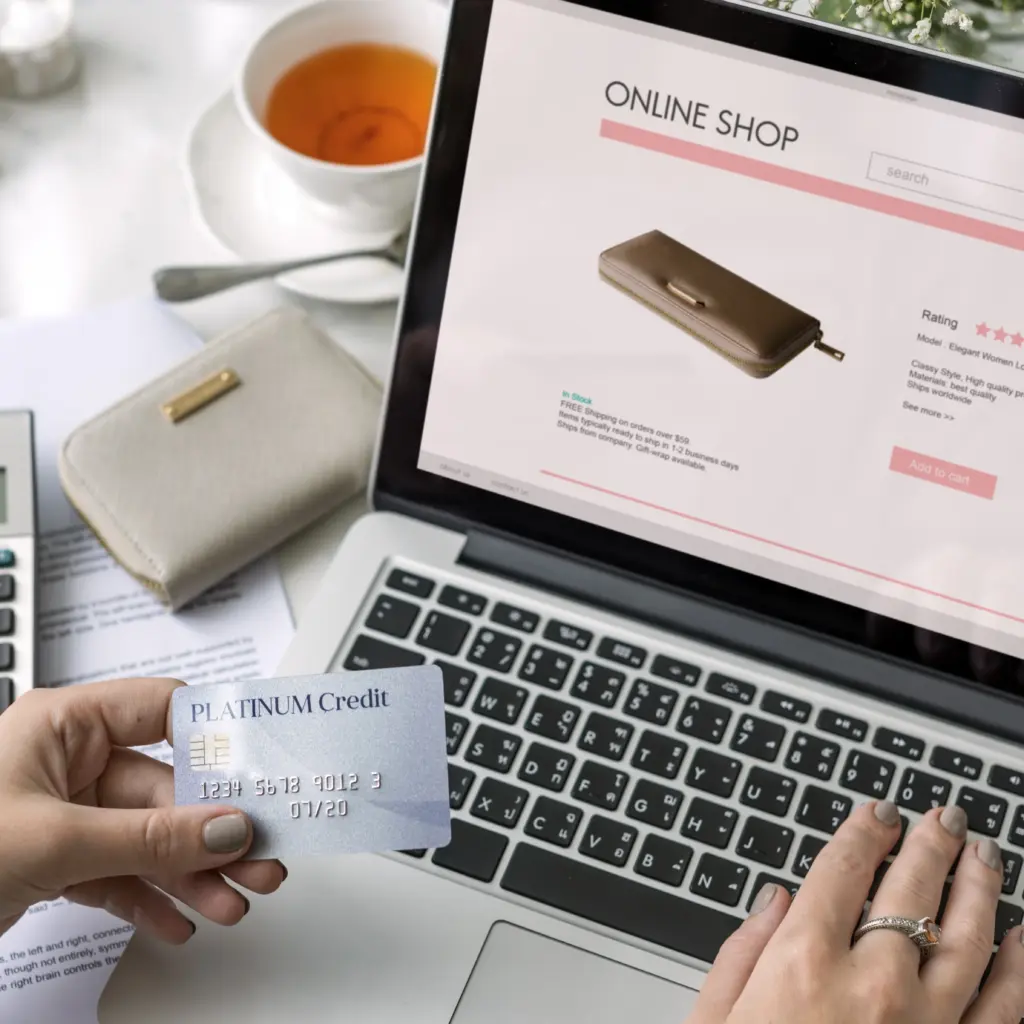
The importance of ecommerce terminology is closely connected to the rapid expansion of online shopping worldwide. Digital marketplaces, mobile shopping applications, and secure payment systems have made it easier than ever for consumers to buy products online. According to research published by Statista, global ecommerce revenue continues to grow every year as more consumers prefer online purchasing for convenience and accessibility. This growth has influenced how businesses communicate about online commerce. As ecommerce becomes more integrated into everyday economic activity, the simplified spelling continues gaining popularity across industries. The global expansion of online shopping also encourages businesses to adopt consistent terminology that is easy for international audiences to understand.
Choosing the Best Spelling for Your Business Content
When businesses decide whether to write ecommerce or e-commerce, the most important factor is consistency. Using the same spelling across website pages, marketing materials, and communication channels helps maintain a professional and recognizable brand identity. Most companies today choose ecommerce because it aligns with modern usage and digital marketing trends. However, organizations that follow traditional writing styles may still prefer the hyphenated version. The key is ensuring that whichever version is chosen appears consistently throughout the company’s content. Consistency improves readability for users and ensures that brand messaging remains clear across multiple platforms. Businesses building online stores or expanding digital operations should also ensure their website structure supports their ecommerce strategy effectively.

Conclusion
So is it ecommerce or e-commerce? Both spellings are technically correct and describe the same concept of conducting business transactions online. The hyphenated version originated in the early days of the internet when electronic commerce was still a new idea. As online shopping became more common, the simplified spelling ecommerce gradually became the modern standard used by businesses, marketers, and technology companies. Today most organizations prefer the single-word version because it looks cleaner and aligns with current digital language trends. Regardless of which spelling is chosen, maintaining consistency across all communication channels is essential for clear branding and professional presentation. Businesses looking to build or expand their online stores with reliable infrastructure can explore solutions from Best Website Builder Group.