
Email open rate is one of the first numbers marketers check after sending a campaign. It shows how many delivered emails appear to have been opened by recipients. However, deciding whether a result is good requires more than comparing one percentage with a universal target. Businesses often ask what is a good open rate for email marketing because benchmarks vary by industry, audience, campaign type, and measurement method.
Recent email marketing benchmark data places the overall median open rate above 40%. However, industry results can range from around 30% to well above 50%. An ecommerce company may therefore consider a lower rate healthy compared with a nonprofit or membership organization.
Open rate is also less precise than it once was because privacy features can record opens automatically. Businesses should compare it with clicks, conversions, unsubscribes, and revenue. Best Website Builder Group recommends looking at the complete customer journey. An opened email matters, but the website experience after that click often determines whether the campaign produces a lead or sale.
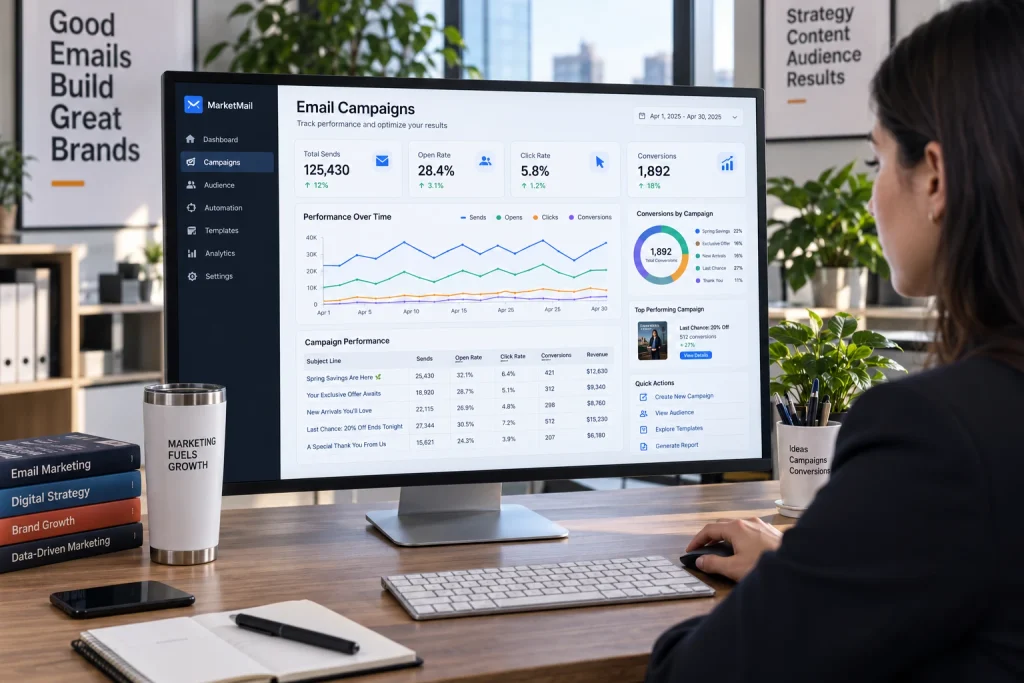
What Is A Good Open Rate For Email Marketing?
A good email open rate should generally match or exceed the typical performance of campaigns in your industry. Recent 2025 benchmark data from millions of campaigns reported an overall median open rate of about 43%. That figure can provide a broad reference point, but it should not become a rigid target for every organization. Audience type and campaign purpose can cause large differences in performance. A highly engaged membership list may produce much higher numbers than a retail promotion sent to a large customer database.
The best benchmark is often your own historical performance. If your campaigns normally receive a 30% open rate and a new approach consistently raises that figure to 36%, the improvement is meaningful even when another industry averages more than 40%. Compare similar campaigns rather than unrelated lists. A weekly newsletter should be measured against previous newsletters, while promotional campaigns should be compared with similar promotions. Consistent improvement usually provides more useful information than chasing an arbitrary percentage.
Open Rates Vary By Industry
Different audiences interact with email in different ways. According to 2025 benchmark data, ecommerce campaigns had an open rate of approximately 32.7%, while consulting campaigns were closer to 46%. Health and fitness campaigns approached 48%, and nonprofit organizations exceeded 50%. Software and web application campaigns were around 39%. These differences show why a single benchmark cannot accurately describe every email program.
Industry differences often reflect the relationship between subscribers and senders. People may open emails from organizations they actively participate in more frequently than promotional messages from retailers. Purchase frequency also matters. A subscriber may want daily updates from a news source but only occasional offers from a furniture store. Instead of comparing your campaigns with the highest-performing industry, identify benchmarks for businesses with similar audiences and objectives. Then monitor whether your results improve over several campaigns. Seasonal sales, product launches, holidays, and major announcements can also produce unusual spikes that should not become permanent expectations.
How Email Open Rate Is Calculated
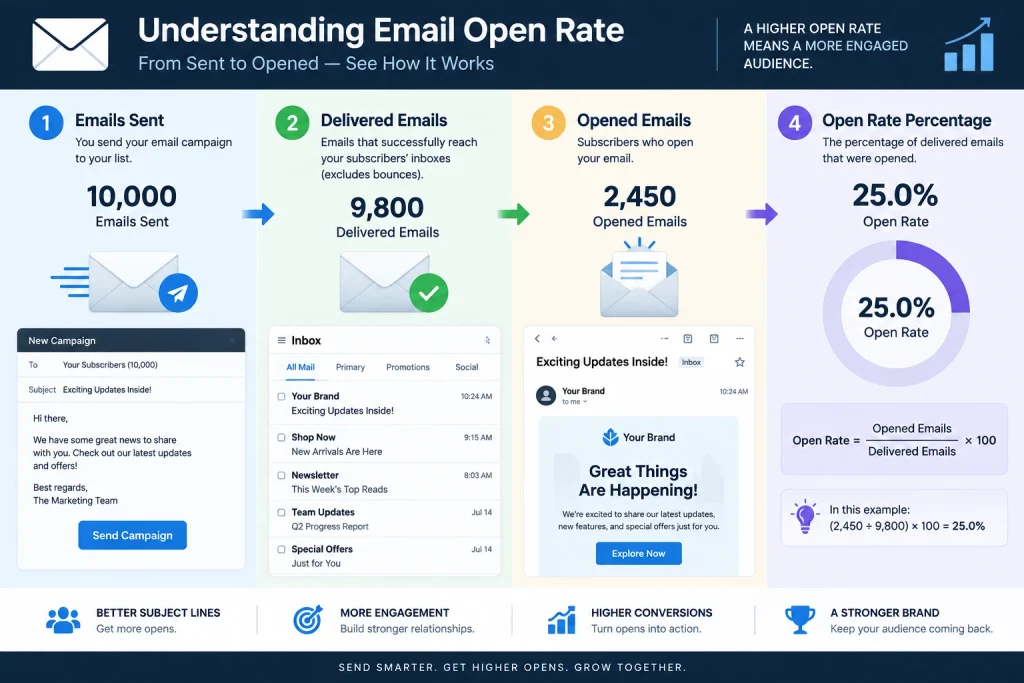
Open rate usually represents the percentage of successfully delivered emails that the tracking system records as opened. Email platforms commonly detect an open by loading a small tracking image inside the message. When the recipient’s email application loads that image, the platform records an open. This method allows marketers to estimate how many people viewed a campaign without asking recipients to take an additional action.
However, an open does not necessarily mean that someone carefully read the message. A recipient may open it briefly and close it immediately. Some email applications may also prevent tracking images from loading, which can cause genuine opens to go unrecorded. Other privacy technologies can create the opposite problem by loading content automatically. These limitations mean the metric should be treated as an estimate rather than an exact count of human readers. Tracking trends across similar campaigns remains useful, but businesses should avoid making major marketing decisions from this number alone.
Privacy Features Affect The Numbers
Modern privacy protections have changed the reliability of open tracking. Apple’s Mail Privacy Protection is an important example. Apple explains that its privacy feature privately downloads remote email content in the background. This process can prevent senders from accurately determining whether someone actually opened a message. You can read Apple’s official explanation of Mail Privacy Protection for more information about how the system works.
Because automated content loading can register an apparent open, reported rates may be higher than actual human viewing rates. Recent benchmark reports specifically warn that Apple Mail can inflate open measurements. This does not make the metric useless. Businesses can still compare trends over time when their audience composition remains fairly consistent. However, marketers should combine opens with actions that require genuine user interaction. Clicks, purchases, form submissions, replies, and other conversions can provide stronger evidence that recipients engaged with the campaign.
Subject Lines And Audience Quality Matter
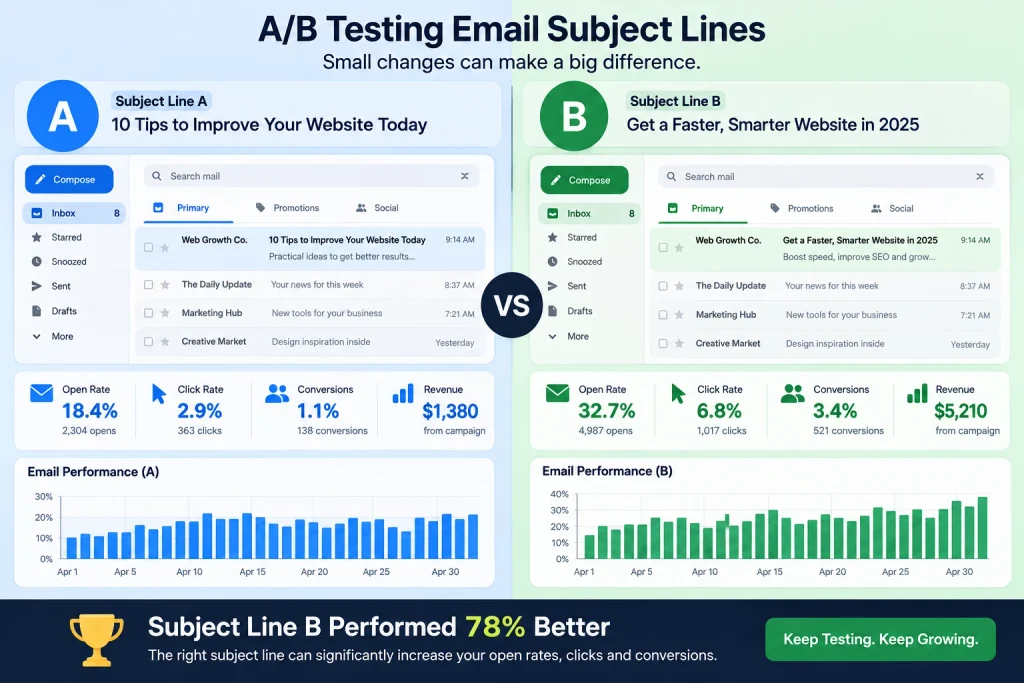
The subject line strongly influences whether recipients choose to view an email. It should communicate a clear reason to open the message without misleading the reader. Extremely vague wording can make an email easy to ignore, while exaggerated promises can damage trust. Testing different approaches can help businesses understand which language works best with their specific audience. Recent campaign analysis also found that strong-performing subject lines often used concise wording and that subscriber filtering was more common among higher-performing campaigns.
List quality can matter even more than subject-line wording. A smaller database of people who genuinely requested communication may outperform a much larger list containing inactive or poorly matched contacts. Segment subscribers based on useful factors such as interests, purchase history, location, or previous engagement when appropriate. Sending every campaign to every subscriber can reduce relevance. Businesses should also remove invalid addresses and manage inactive contacts according to their email strategy. Better targeting gives recipients a stronger reason to pay attention when a new message appears.
Measure Clicks And Conversions Too
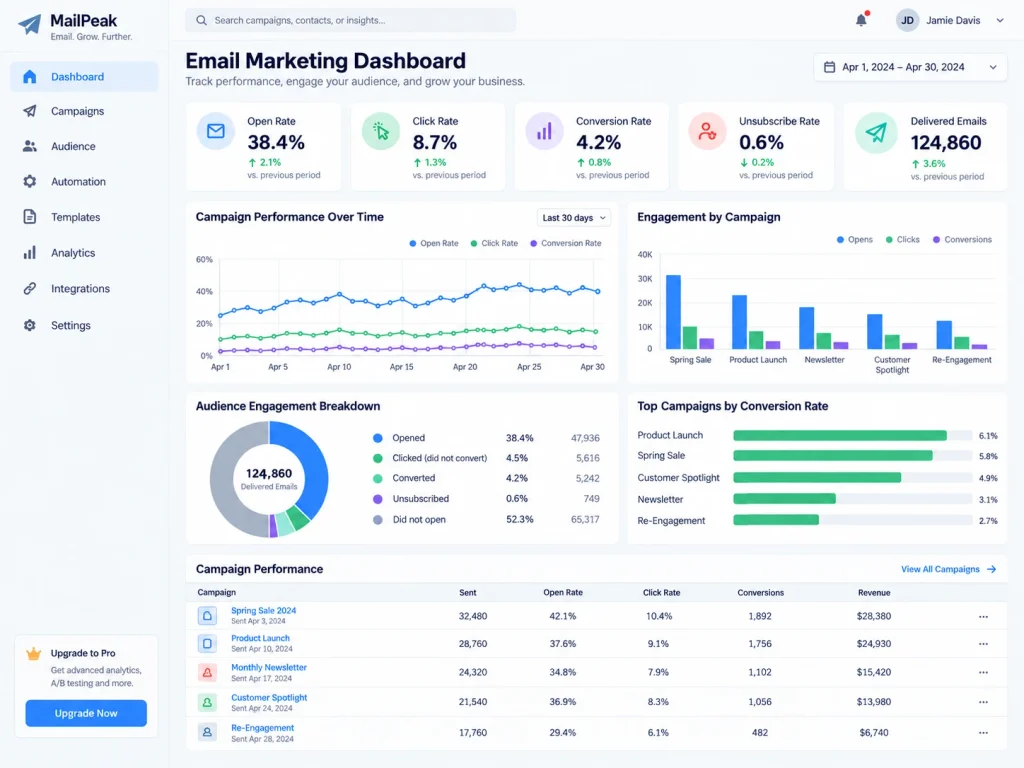
Open rates show only the beginning of email engagement. A recipient may open a campaign without taking any further action. Click-through rate measures whether people interact with links inside the message, while conversions show whether those visits lead to meaningful results. Recent 2025 benchmark data reported a median click rate of about 2.1% across millions of campaigns, illustrating how much smaller genuine link interaction can be compared with reported opens.
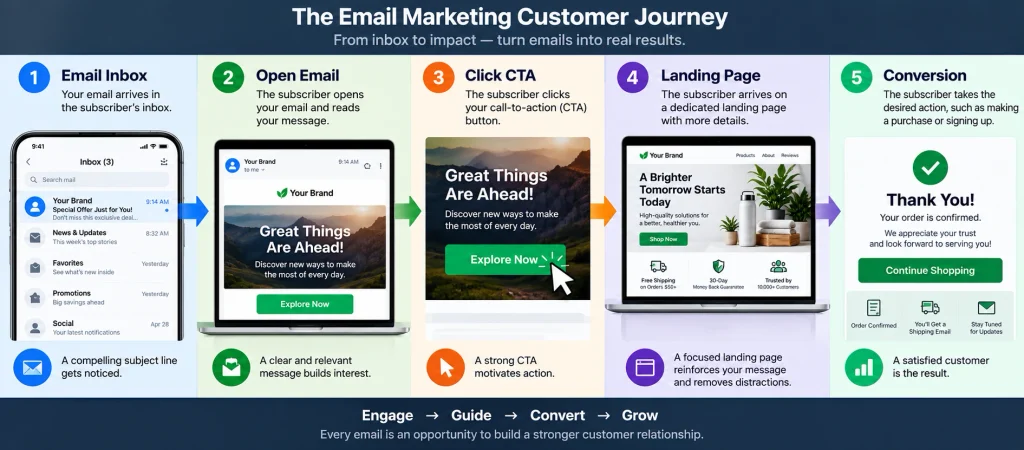
The destination after the click also matters. An effective email can lose potential customers when it sends them to a confusing, slow, or poorly designed webpage. Businesses using campaigns to generate leads or sales should make sure their landing pages match the message and call to action. Professional web design services from Best Website Builder Group can help businesses create clearer, responsive pages for visitors arriving from marketing campaigns. Email performance should therefore be evaluated across the entire journey rather than ending the analysis as soon as someone opens a message.
How To Improve Campaign Performance
Improving results starts with understanding why people subscribed. Send content that matches their expectations and avoid changing the purpose of the list without a clear reason. A subscriber who joined for product updates may respond differently to educational newsletters. Segmenting the audience can help businesses send more relevant messages. Testing subject lines, preheaders, send times, calls to action, and content formats can also reveal patterns that are specific to your subscribers.
Changes should be tested gradually. Altering the subject line, audience, design, offer, and delivery time simultaneously makes it difficult to know which change caused the result. Test one or two meaningful variables and compare them across enough campaigns to identify a pattern. Also monitor unsubscribe and complaint rates. A temporary increase in opens is not valuable if aggressive subject lines encourage recipients to leave the list. Strong email marketing should maintain trust while moving interested subscribers toward useful content, products, services, or other actions.
Evaluate The Complete Marketing Journey
There is no single open-rate percentage that automatically proves an email campaign is successful. A result around or above the relevant industry benchmark can be encouraging, but businesses should pay more attention to consistent performance within their own audience. Compare similar campaigns over time and investigate meaningful changes. An increase in opens is useful when it also contributes to stronger clicks, leads, purchases, or another business objective.
Email should also connect smoothly with the website experience. A compelling subject line can attract attention, but the landing page must continue the same message after the recipient clicks. Clear layouts, mobile usability, relevant content, and obvious calls to action can help turn campaign traffic into measurable business results. Best Website Builder Group helps businesses improve the website side of that journey through professional web design and digital solutions. Treat open rate as one useful signal rather than the final measure of success, and focus on whether the complete campaign moves customers toward meaningful actions.
