
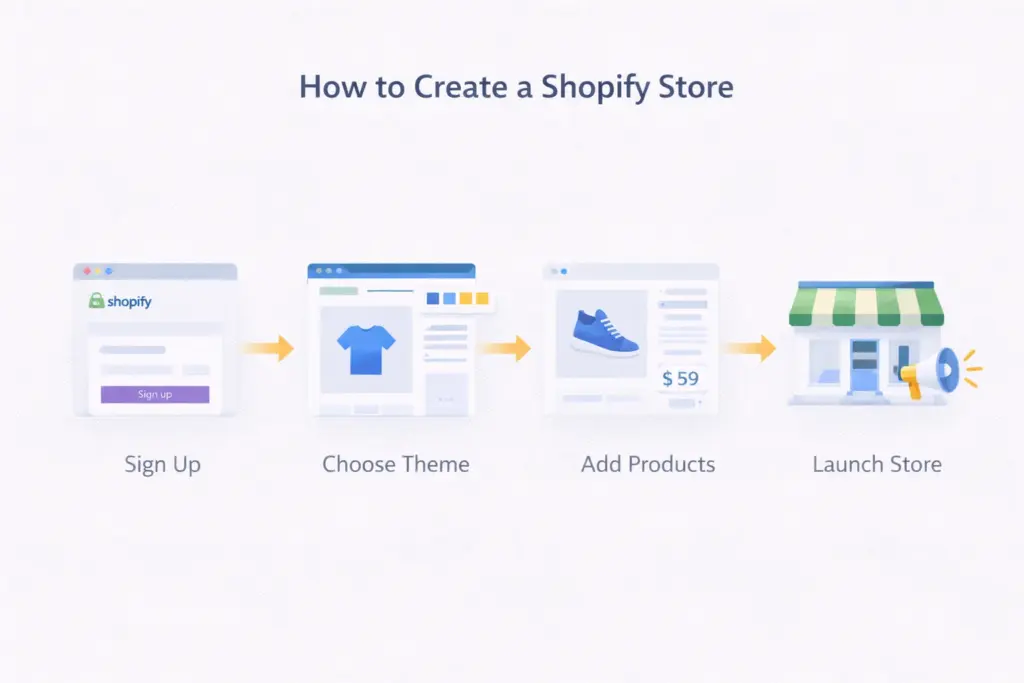
If you are planning to launch an online business, learning how to create a Shopify store can help you turn an idea into a scalable e-commerce brand without dealing with complicated technical systems. Shopify gives business owners the tools needed to build a professional online store, manage products, process payments, and handle customer orders from one centralized platform. Its simplicity makes it popular among beginners, while its advanced features support long-term growth for expanding businesses. A well-structured Shopify store does more than display products. It creates a smooth shopping experience that builds trust and encourages conversions. From selecting the right niche to optimizing performance and marketing your products, every step influences your store’s success. When you understand how to create a Shopify store properly, you create a stronger foundation for attracting customers, increasing sales, and building a recognizable online presence in a competitive e-commerce market.
Choosing The Right Products And Niche
Before building your store, it is important to decide what you will sell and who your target audience is. A clear niche helps you stand out in a competitive market and makes it easier to connect with customers. When exploring how to create a Shopify store, product selection should be based on demand, profitability, and long-term sustainability. Researching trends, customer behavior, and competitor strategies can help you identify opportunities. A focused niche allows you to build a brand rather than just a generic store. It also makes marketing more effective because your messaging can be tailored to a specific audience. Successful stores often solve a problem or meet a specific need, which creates stronger customer interest. Choosing the right products sets the foundation for everything that follows.
Setting Up Your Shopify Account And Store Basics
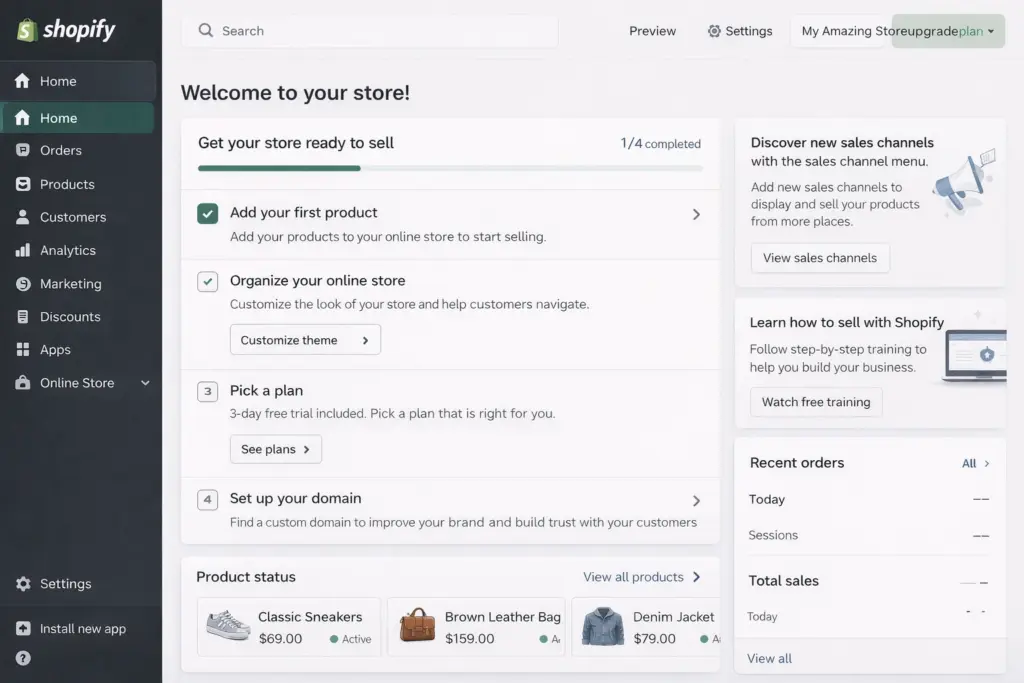
Creating your Shopify account is a straightforward process that begins with signing up and selecting a plan that fits your needs. Shopify offers a trial period, which allows you to explore the platform before committing. When learning how to create a Shopify store, this initial setup stage includes choosing a store name, configuring basic settings, and setting your business location. These details help Shopify calculate taxes, shipping rates, and payment options correctly. You will also set up your domain, which is the web address customers will use to access your store. A professional domain name improves credibility and makes your business easier to remember. Taking time to configure these basics ensures that your store operates smoothly from the beginning.

Designing Your Store For A Professional Look
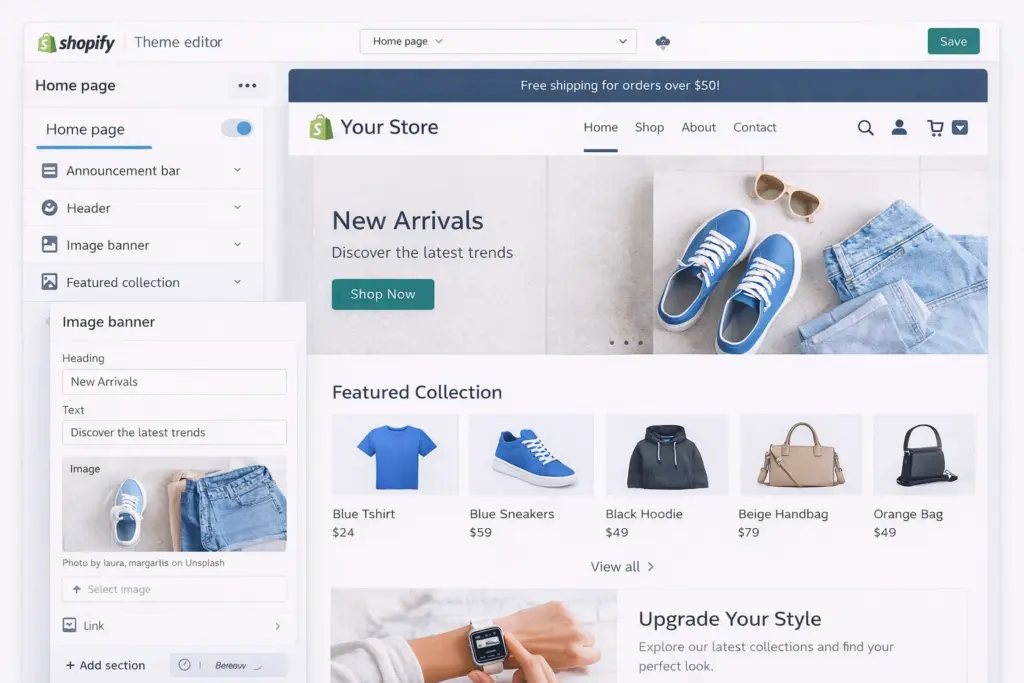
The design of your store plays a major role in how customers perceive your brand. A clean and visually appealing layout builds trust and encourages visitors to explore your products. When understanding how to create a Shopify store, selecting the right theme is essential. Shopify offers both free and paid themes that can be customized to match your brand identity. Colors, fonts, and images should align with your brand message and create a consistent experience across pages. Navigation should be simple so customers can find products easily. Businesses that want a high-performing design often invest in professional Shopify Website Design to ensure their store looks polished and conversion-focused. A well-designed store not only attracts visitors but also increases the likelihood of sales.
Adding Products And Writing Effective Descriptions
Once your store design is ready, the next step is adding products. Each product listing should include clear images, accurate pricing, and detailed descriptions. When learning how to create a Shopify store, product pages should focus on helping customers understand the value of what you are selling. High-quality images show the product clearly, while descriptions explain features, benefits, and usage. Avoid vague descriptions and instead provide specific details that answer common customer questions. Well-written product pages improve both user experience and search visibility. They also help reduce return rates because customers know exactly what to expect. Organizing products into categories makes navigation easier and helps customers browse your store efficiently.
Setting Up Payments And Checkout Process
A smooth checkout experience is critical for converting visitors into customers. Shopify supports multiple payment options, including credit cards, digital wallets, and third-party gateways. When understanding how to create a Shopify store, setting up payment methods correctly ensures that customers can complete purchases without issues. The checkout process should be simple and secure, with minimal steps required to finalize an order. Security features such as SSL encryption help protect customer information and build trust. A complicated checkout process can lead to abandoned carts, which is why simplicity is important. Offering multiple payment options increases flexibility and improves conversion rates.
Configuring Shipping And Tax Settings
Shipping and tax settings are essential for running a functional e-commerce store. Shopify allows you to set shipping rates based on location, weight, or order value. When learning how to create a Shopify store, it is important to choose shipping strategies that balance cost and customer expectations. Clear shipping policies help avoid confusion and improve customer satisfaction. Tax settings should also be configured based on your business location and the regions you serve. Shopify can calculate taxes automatically, but it is important to verify that everything is set correctly. Proper configuration ensures that your store operates smoothly and complies with regulations.
Optimizing Your Store For Search And Performance
Search engine optimization plays a key role in attracting organic traffic to your store. When understanding how to create a Shopify store, optimizing product pages, titles, and descriptions helps search engines understand your content. Fast loading speed and mobile responsiveness also contribute to better performance. Many online shoppers browse and purchase products using mobile devices, which makes mobile optimization essential. Businesses often combine store setup with professional SEO Services to improve visibility and reach a wider audience. According to SBA, small businesses that invest in digital strategies are more likely to grow and reach new customers. A well optimized store attracts more visitors and increases sales potential.
Launching Your Store And Driving Traffic
After setting up your store, the next step is launching and promoting it. A successful launch involves testing all features to ensure everything works correctly. When learning how to create a Shopify store, launching is not the final step but the beginning of your growth journey. Marketing strategies such as social media, email campaigns, and paid advertising help drive traffic to your store. Building an audience takes time, but consistent effort leads to better results. Monitoring performance and adjusting your strategy helps improve outcomes over time. A strong launch sets the stage for long-term success and customer engagement.

Conclusion
Learning how to create a Shopify store provides a clear path for building a successful online business. From choosing the right products to designing your store and optimizing performance, each step plays a role in achieving growth. Shopify simplifies the process by providing tools that handle technical aspects while allowing you to focus on strategy and sales. Businesses that want to create high-performing e-commerce websites often collaborate with experienced teams like Best Website Builder Group to build scalable and conversion-focused stores. With the right approach, your Shopify store can become a powerful platform for reaching customers and generating consistent revenue.
