
If you are asking what is web page development, you are trying to understand how websites actually work beyond their visual appearance. Every modern business depends on its website to attract visitors, generate leads, and support sales. A web page is not just text and images placed online. It is a structured digital asset built through code, systems, and performance planning. Web page development ensures that each page loads quickly, works on all devices, supports search visibility, and guides users toward action. Without proper development, even strong design and great content fail to deliver results.

What Web Page Development Really Means
At its core, what is web page development? It is the process of building and maintaining individual pages using technologies like HTML, CSS, JavaScript, and supporting systems. Development turns a visual concept into a functional page that browsers can read and display correctly. It ensures structure, responsiveness, performance, and stability. While web design focuses on layout and branding, development focuses on functionality and technical execution. Both are important, but development determines whether a page actually performs under real-world conditions such as mobile browsing, slow internet speeds, and heavy traffic.
Web page development also includes content management setup, template creation, internal linking structure, and technical optimization. When these elements are planned correctly, pages become easier to update, expand, and improve over time. When they are ignored, websites become slow, difficult to manage, and expensive to fix later.
The Core Technologies Behind Every Web Page
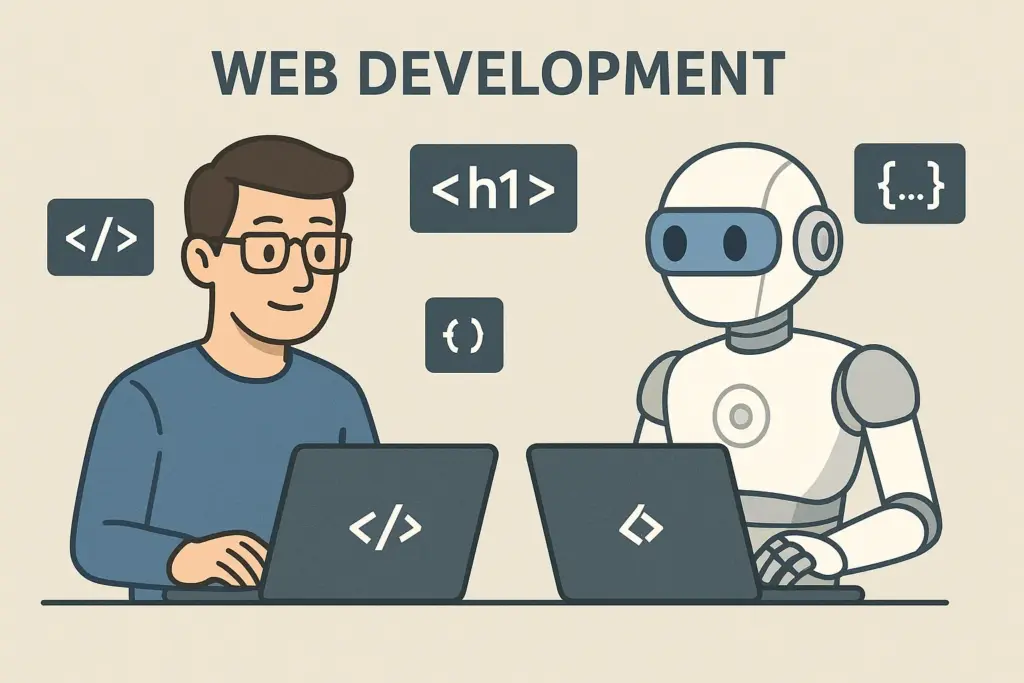
To fully understand what is web page development, it helps to look at the technologies involved. HTML provides the structure of the page. It defines headings, paragraphs, images, and links. CSS controls how those elements look by managing layout, spacing, and visual presentation. JavaScript adds interactivity such as sliders, forms, and dynamic content updates. These technologies work together to create a seamless experience for users.
Most businesses today rely on content management systems rather than fully custom code. A common choice is WordPress Website Design because it allows flexible publishing while supporting custom development. Even with a CMS, developers must optimize themes, manage plugins, and ensure clean code output. Without that oversight, pages can become bloated and unstable.
Front-End and Back-End Development Explained
Another important part of what is web page development involves understanding front-end and back-end roles. Front-end development focuses on what users see and interact with. It ensures buttons respond, menus function properly, and layouts adapt across devices. A strong front-end improves user experience and supports conversion goals.
Back-end development manages the server side of the website. It processes form submissions, stores data, manages user accounts, and handles integrations with other tools. For online stores using Ecommerce Website Design, back-end stability is critical because it supports payment gateways, product databases, and order management. If the back-end fails, revenue stops.
Why Web Page Development Directly Impacts SEO
Many business owners focus on keywords and content but overlook how development shapes search visibility. When evaluating what is web page development, you must consider its influence on SEO. Search engines analyze page speed, mobile usability, structured headings, and clean code. Poor development can block crawlers, slow loading times, or create duplicate content issues.
Technical elements such as sitemaps, schema markup, canonical tags, and secure HTTPS protocols depend on development expertise. Businesses often discover these issues during audits tied to Technical SEO Services. Fixing structural issues can significantly improve search performance because the foundation becomes more accessible to search engines.
According to Google’s own search documentation, site performance and user experience signals play an important role in rankings. You can review Google’s official guidance here: Google Search Central Documentation.

Performance, Speed, and User Experience
Speed is one of the most visible outcomes of strong web page development. A slow page increases bounce rates and reduces trust. Development improves speed by compressing images, reducing unnecessary scripts, and optimizing server responses. These technical adjustments may seem small, but they have a measurable impact on engagement and conversions.
Mobile responsiveness is another critical factor. More users browse on mobile devices than on desktops. Development ensures text remains readable, buttons remain clickable, and layouts remain stable across different screen sizes. If mobile performance suffers, rankings and revenue can decline quickly. Ongoing updates also play a role in long-term stability. Regular improvements through Website Maintenance help preserve performance and security while preventing plugin conflicts or outdated software from causing disruptions.
Web Page Development and Conversion Optimization
Understanding what is web page development also means understanding how it supports conversion rate optimization. A page that looks appealing but loads slowly or contains broken forms will lose leads. Development ensures that forms submit correctly, analytics tracking works, and calls to action respond instantly. For service businesses, small development adjustments can make a significant difference. Improving form validation, simplifying navigation, or optimizing landing page speed often increases lead submissions. Conversion improvements are not always about new design elements. They are often about technical refinements that remove friction from the user journey.
Development also supports accurate data collection. Properly installed analytics tools allow businesses to measure which pages convert and which need improvement. Without accurate tracking, marketing decisions become guesses rather than strategic moves.

Website Redesign and Structural Improvements
Over time, many businesses outgrow their original websites. When revisiting what web page development is during a redesign, structural upgrades become essential. A redesign should address performance issues, content hierarchy, and mobile usability rather than just updating colors or typography.
A strategic Website Redesign often involves reorganizing page templates, cleaning up internal links, and improving speed metrics. These changes strengthen both SEO and user experience. Without technical adjustments, a redesign risks creating new problems instead of solving old ones.
Common Misconceptions About Web Page Development
One common misconception is that web page development only matters during launch. In reality, it continues throughout the life of the website. As traffic grows and new features are added, the technical foundation must adapt. Neglecting development can lead to broken layouts, slower load times, and reduced rankings.
Another misunderstanding is that page builders remove the need for expertise. While they simplify layout creation, performance and structural integrity still require thoughtful configuration. Excessive plugins and poorly optimized themes often create hidden issues that limit scalability. Some businesses also separate SEO from development. This separation often causes ranking issues because search engines evaluate both content and technical structure together. Integrating development with broader SEO Services ensures the website performs as a unified system.

Conclusion
So, what is web page development? It is the structured process of building web pages that load efficiently, function reliably, and support visibility, usability, and growth. It includes front-end presentation, back-end processing, SEO structure, speed optimization, and ongoing stability. Development decisions influence how users experience your brand and how search engines evaluate your site. For organizations seeking long-term digital clarity, Best Website Builder Group approaches development with growth in mind. When handled strategically, web page development becomes a foundation for sustainable business performance rather than a one-time technical task. Businesses that prioritize performance and structure tend to scale more smoothly.
