
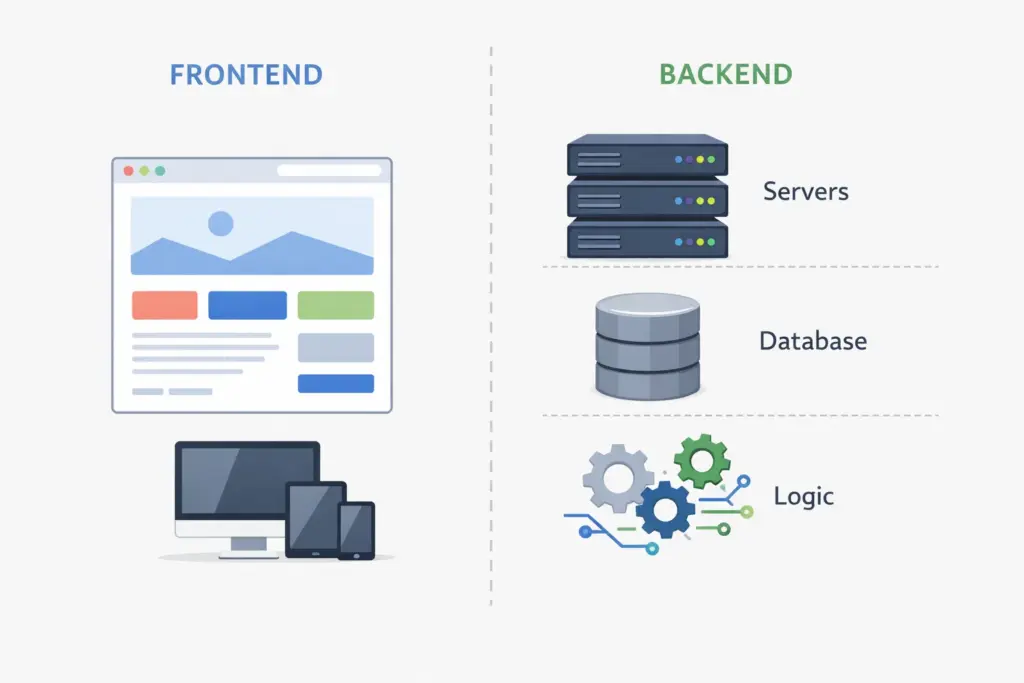
Every modern website relies on systems that operate behind the scenes. These systems manage data, process user actions, and keep everything running smoothly even when traffic increases. While visitors only see the front end, the backend determines whether pages load quickly, forms submit correctly, and information stays secure. Understanding how backend systems work helps businesses appreciate what makes digital platforms reliable and scalable.

The Role of Backend Systems in Modern Websites
Backend systems handle the logic and infrastructure that support user-facing features. When a visitor logs in, submits a form, or completes a purchase, backend processes manage the request and deliver the correct response. These systems ensure that data moves accurately between the server, database, and interface without user awareness.
When people ask what is backend development, they are usually trying to understand how websites function beyond visual design. Backend work focuses on stability, performance, and accuracy. Without it, websites would fail to respond properly to user actions.
How Backend Logic Powers User Interaction
User interactions trigger backend processes every time someone clicks a button or submits information. Backend logic validates input, stores data, and determines what content to display next. These actions happen instantly, even though users never see the underlying code.
Understanding what is backend development includes recognizing its role in consistency. Backend systems manage sessions, permissions, and user states across pages. This consistency allows users to move through a website without interruptions or errors.
Programming Languages Used on the Server Side
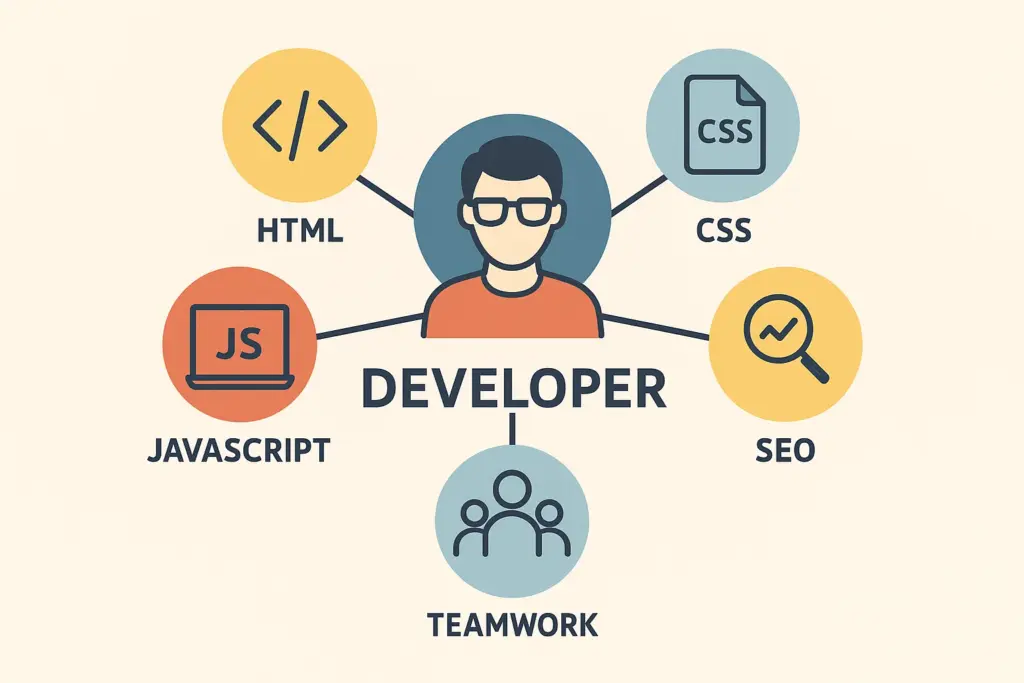
Developers use several programming languages to build backend systems. Popular choices include PHP, Python, Java, Ruby, and JavaScript through Node.js. Each language supports different frameworks that streamline development and improve maintainability.
Frameworks provide structure and security features that help developers work efficiently. Language choice depends on project needs, performance goals, and team experience. Knowing what is backend development involves understanding that no single language fits every project.
Database Management and Data Storage
Databases store the information that websites rely on, including user accounts, content, and transaction records. Backend systems control how this data is saved, retrieved, and updated. Efficient database design improves speed and prevents errors.
Relational databases organize data in structured tables, while non-relational databases support flexible data formats. When businesses understand what is backend development, they see how database choices affect scalability and performance.

Servers, Hosting, and Infrastructure
Backend systems run on servers that process requests and deliver responses to users. Hosting environments influence site speed, uptime, and security. Developers configure servers to handle traffic efficiently while minimizing downtime.
Infrastructure planning supports long-term growth. Backend systems can scale through load balancing, caching, and resource optimization. These measures keep websites responsive as demand increases.
Security Responsibilities in Backend Work
Security is a core responsibility of backend development. Developers protect sensitive data using authentication, encryption, and access controls. These safeguards prevent unauthorized access and data breaches.
Anyone researching what is backend development should understand its role in protecting user information. Trusted organizations like IBM publish guidance on secure system design, which helps developers stay aligned with best practices.
APIs and System Communication
APIs allow backend systems to communicate with external services. They connect websites to payment processors, analytics platforms, and third-party tools. APIs make it possible to extend functionality without rebuilding core systems.
Well-designed APIs support flexibility and growth. When businesses understand what is backend development, they see how APIs enable integration and innovation across platforms.

Performance Optimization and Speed
Backend performance directly affects user experience. Slow server responses lead to delays, frustration, and lost conversions. Developers optimize code and database queries to improve response times.
Performance planning also supports scalability. Backend systems that handle traffic efficiently reduce the risk of crashes during peak demand. These improvements benefit both users and search visibility.
Backend Systems and Search Visibility
Backend logic influences how search engines interact with websites. Crawlability, structured data, and page speed depend on backend configuration. Well-optimized backend systems help search engines access content efficiently.
Many businesses rely on Technical SEO Services to align backend performance with search requirements. Google explains technical factors in its official documentation, which provides reliable guidance.

Backend Development in Content Management Systems
Content management systems rely heavily on backend functionality. Platforms like WordPress use backend logic to manage content, user roles, and permissions. Developers customize these systems to meet specific business needs.
Understanding what is backend development includes recognizing how CMS platforms deliver content efficiently. Backend optimization improves loading times and ensures consistent content delivery.
Maintenance and Long-Term Stability
Backend systems require regular maintenance to remain secure and reliable. Updates, patches, and monitoring prevent issues from escalating. Neglecting maintenance increases the risk of downtime and vulnerabilities.
Many organizations use professional Website Maintenance to keep backend systems healthy. Consistent upkeep supports stability and protects business operations.
Backend Development and Business Growth
Strong backend systems support business growth by enabling new features and integrations. As companies expand, backend architecture adapts to increased traffic and functionality needs.
When businesses clearly understand what is backend development, they make smarter technology decisions. A solid backend foundation supports innovation, reliability, and long-term success.
Conclusion: The Importance of Backend Development
Backend development forms the backbone of modern websites and applications. It manages data flow, security, and performance behind the scenes. Without reliable backend systems, digital experiences would fail to meet user expectations.
Best Website Builder Group helps businesses build and maintain backend systems that support performance and scalability. Through technical expertise and ongoing support, they ensure backend infrastructure aligns with long-term digital goals.