
Keyword research is the starting point for every successful SEO strategy because it reveals how people actually search, not how businesses assume they do. Search engines respond to demand, and keyword research uncovers that demand in measurable terms. Without it, content decisions are based on guesswork rather than real behavior.
Understanding how do you do SEO keyword research means understanding that keywords represent intent. Every search reflects a question, a need, or a problem someone wants solved. Keyword research translates those needs into actionable insights that guide content creation, site structure, and long-term SEO planning.

What SEO Keyword Research Really Involves
SEO keyword research is not just about finding popular phrases. It is the process of identifying search terms that balance relevance, intent, competition, and opportunity. A keyword with high volume but unclear intent often performs worse than a lower-volume keyword with precise meaning.
Effective research looks at how keywords fit into a broader strategy. This includes understanding why people search a phrase, what kind of content satisfies that search, and whether ranking for it will actually support business goals.
Starting With Seed Keywords
Every keyword research process begins with seed keywords. These are broad terms that describe products, services, or core topics. Seed keywords are not usually the final targets. Instead, they act as entry points into deeper research.
For example, a general service term can be expanded into dozens or hundreds of related searches once analyzed with proper tools. These expansions reveal how users phrase questions, what variations they use, and which topics deserve focused pages.
Using Google Keyword Planner for Demand Validation
Google Keyword Planner remains one of the most reliable tools for understanding search demand because it pulls data directly from Google. It provides estimated search volume ranges and shows how demand changes over time.
While originally designed for advertisers, the tool is valuable for SEO because it confirms whether people actually search for a term. It also helps identify seasonality, which is critical when planning content calendars and campaign timing.

How Semrush Helps Identify Keyword Opportunities
Semrush is widely used because it combines keyword research with competitive intelligence. It allows users to see which keywords competitors already rank for and how difficult those keywords are to target.
This insight prevents wasted effort. Instead of guessing which keywords might work, Semrush shows where real opportunities exist. It also helps uncover keyword gaps, revealing terms competitors rank for that your website does not yet target.
Ahrefs and Understanding Ranking Difficulty
Ahrefs is particularly useful for evaluating keyword difficulty and backlink competition. It helps determine how strong the top-ranking pages are and whether outranking them is realistic.
When learning how do you do SEO keyword research properly, Ahrefs helps answer an important question: not just whether a keyword is popular, but whether your website can realistically compete for it based on authority and link profile.
Ubersuggest and Accessible Keyword Research
Ubersuggest, created by Neil Patel, offers a more accessible approach to keyword research, especially for beginners. It provides keyword ideas, search volume estimates, and basic competition data in a simplified interface.
While it may not be as deep as enterprise tools, Ubersuggest is useful for uncovering long-tail keywords and content ideas quickly. It also helps newer marketers understand keyword relationships without overwhelming data.

Interpreting Search Intent Correctly
Search intent determines whether a keyword is informational, navigational, commercial, or transactional. Misjudging intent is one of the most common keyword research mistakes.
A keyword may have strong search volume, but if the content format does not match intent, rankings and conversions suffer. Keyword research must always include intent analysis, not just metrics.
Evaluating Keyword Competition Realistically
Competition is not just a score in a tool. It reflects how established the ranking pages are, how authoritative the domains are, and how well content satisfies user intent.
Strong keyword research balances ambition with realism. Long-tail keywords often provide better entry points because they attract focused traffic and require less authority to rank.
Grouping Keywords Into Topics
Modern SEO prioritizes topics over isolated keywords. Grouping related keywords together helps create comprehensive content that search engines favor.
Topic clusters improve internal linking and clarify relevance. Instead of creating multiple thin pages, grouped keywords support stronger, more authoritative resources.

Analyzing Competitor Content Strategically
Competitor analysis reveals which keywords already drive traffic in your niche. Studying how competitors structure content provides insight into what search engines already reward.
This does not mean copying content. It means identifying gaps, weaknesses, and opportunities where content can be improved or expanded to better meet user needs.
Matching Keywords With Content Types
Different keywords require different content formats. Some searches demand detailed guides, others comparisons, and others service pages. Choosing the wrong format limits performance.
Keyword research should always include content planning. Understanding how do you do SEO keyword research means knowing what kind of page a keyword actually needs.
Keyword Placement Without Stuffing
Keyword placement still matters, but repetition does not. Search engines understand context and semantic relationships. Overusing exact phrases damages readability and trust.
Effective keyword usage focuses on clarity. Keywords should appear where they naturally belong and be supported by related language that reinforces meaning.
Tracking Keyword Performance Over Time
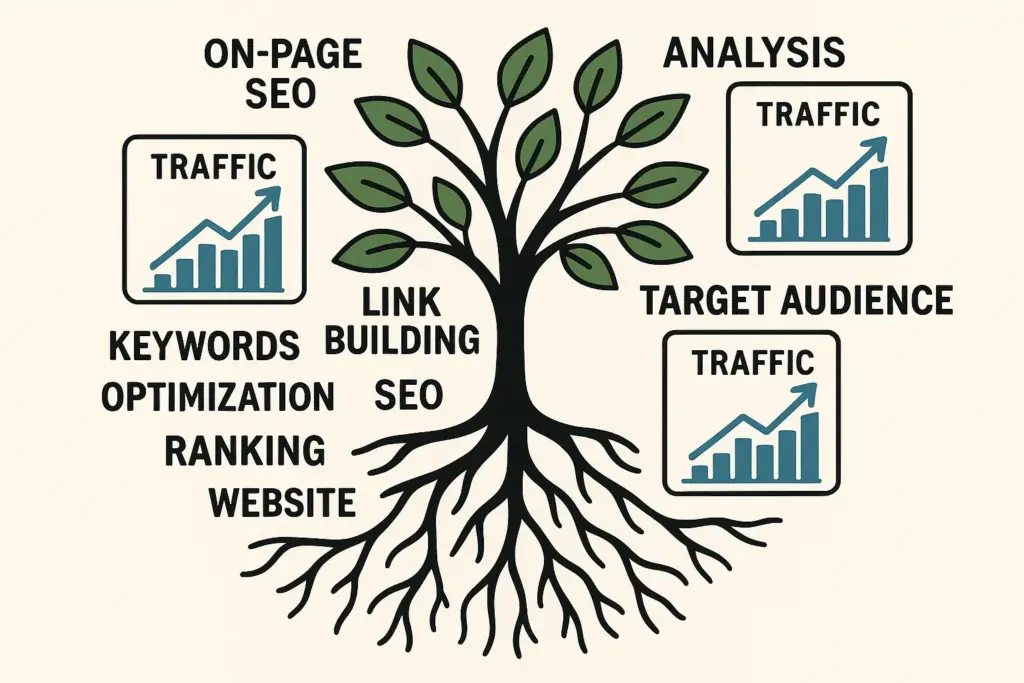
Keyword research does not end when content is published. Monitoring rankings, impressions, and clicks helps identify which keywords perform and which need refinement. Search behavior evolves, and keyword strategies must evolve with it. Regular tracking ensures content remains aligned with demand.
Technical SEO and Keyword Accessibility
Keywords can only perform if search engines can access content properly. Technical issues such as slow load times or crawl errors limit ranking potential. Businesses that invest in Technical SEO Services ensure keyword research efforts are not wasted due to infrastructure problems.
Maintenance and Ongoing Keyword Refinement
Content ages, competitors adapt, and intent shifts. Keyword refinement keeps pages competitive without constant rebuilding. Ongoing care through Website Maintenance supports stable keyword performance and prevents gradual decline.
Platforms and Keyword Control
The platform managing content affects how easily keywords can be implemented. Clean URLs, structured headings, and internal links all support keyword strategy. Many businesses rely on WordPress Website Design because it supports flexible and organized SEO implementation.

Conclusion: Keyword Research as a Practical Skill
Understanding how do you do SEO keyword research means combining data with judgment. Tools like Google Keyword Planner, Semrush, Ahrefs, and Ubersuggest provide insight, but strategy determines success.
Best Website Builder Group helps businesses turn keyword research into actionable SEO plans. By focusing on intent, competition, and structure, keyword research becomes a roadmap for sustainable growth rather than a list of numbers.
