Learning how to get website on Google search first page is one of the most common goals for business owners, marketers, and website managers. Appearing on page one of Google dramatically increases visibility, credibility, and traffic. However, many people misunderstand what success on page one really looks like. It is not about being number one for a single keyword. It is about appearing multiple times across page one for relevant searches and owning as much search real estate as possible.
This article explains how page-one visibility actually works, what Google looks for when ranking websites, and how to build a strategy that consistently places your site in front of the right audience.
Understanding Page One Visibility
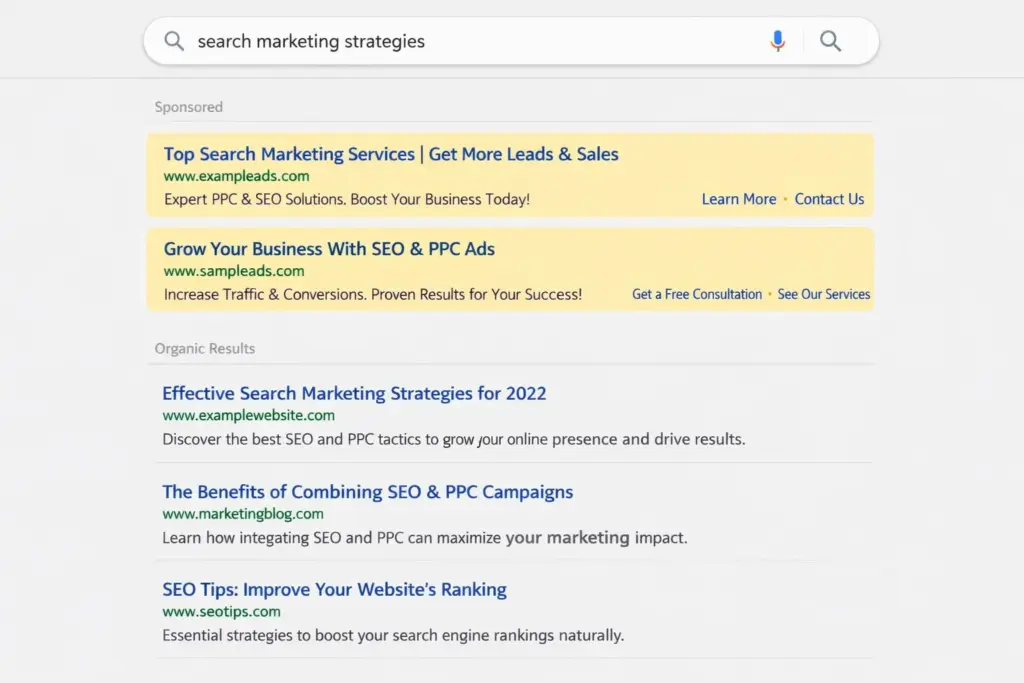
When people ask how to get website on Google search first page, they often imagine a single ranking position. In reality, page one is made up of many opportunities. Organic listings, featured snippets, local map results, image results, FAQs, and sitelinks all appear on the first page.
The real goal is not chasing one spot. The real goal is frequency and coverage. A strong website appears on page one multiple times for related searches, reinforcing authority and increasing click-through opportunities.
This is why modern SEO focuses on topic coverage rather than isolated keywords.
Google Ranks Pages, Not Websites
One of the most important concepts to understand is that Google ranks individual pages, not entire websites. A single website can have dozens or even hundreds of page-one rankings if it is structured correctly.
If you want to know how to get website on Google search first page consistently, you must create pages that each target a specific topic or search intent. Trying to rank one page for everything rarely works.
Well-structured websites create dedicated pages for services, locations, questions, and educational topics. Each page earns its own rankings while supporting the authority of the site as a whole.
It’s Not About Being Number One
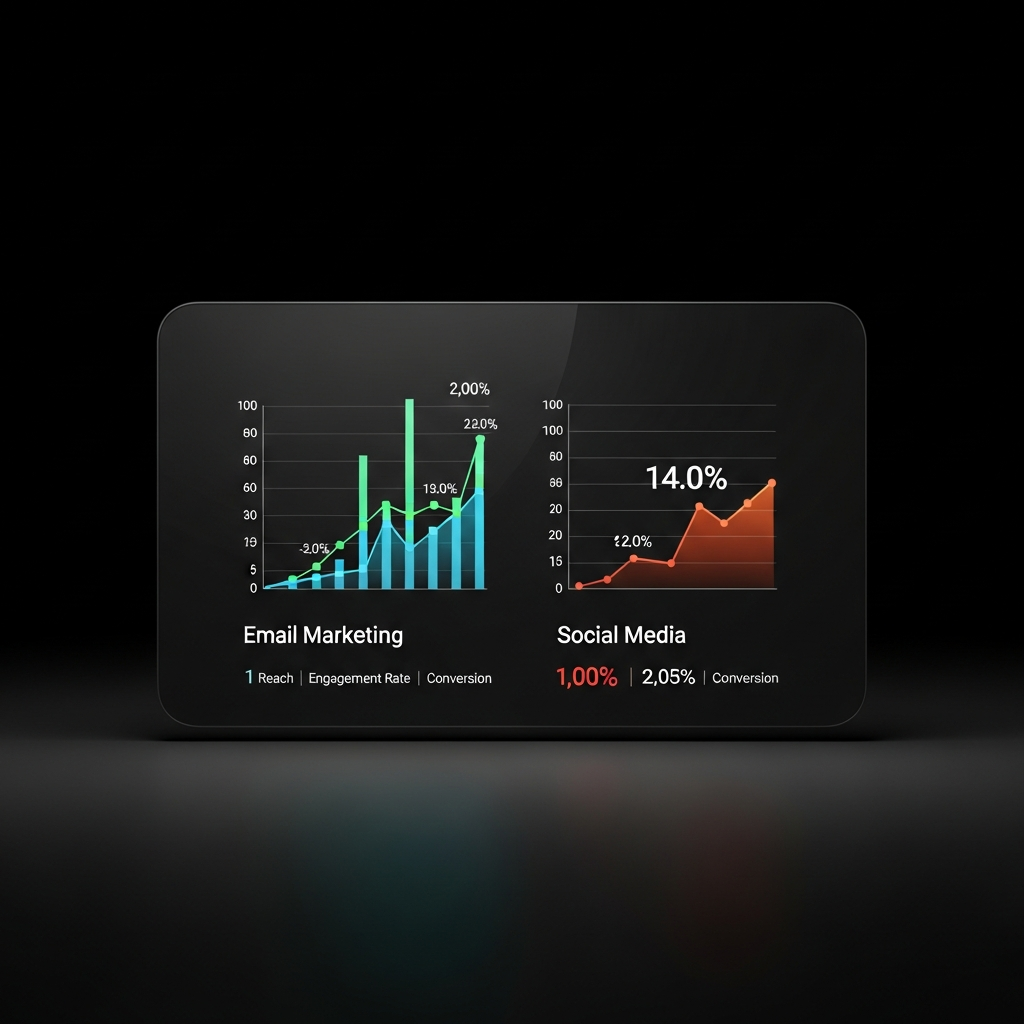
Being number one sounds appealing, but it is not the most important metric. A website that ranks in positions three through eight for many related searches often generates more total traffic than a site that ranks number one for a single term.
Page-one visibility is about:
- Appearing across multiple keywords
- Showing up for variations of the same topic
- Being visible at different stages of user intent
When your website appears several times on page one, users recognize your brand repeatedly. This builds trust and increases the likelihood of clicks, even if you are not always in the top spot.

Keyword Intent Matters More Than Volume
Many people chasing page-one rankings focus only on high search volume keywords. This is a mistake. Google prioritizes intent over volume.
Search intent falls into several categories:
- Informational searches
- Navigational searches
- Commercial research searches
- Transactional searches
If you want to know how to get website on Google search first page, you must align your content with the intent behind the search. Pages that perfectly answer a specific question often outrank pages targeting broader, higher-volume terms.
This is why educational content, guides, and FAQs perform so well when paired with strong site structure.
Content Depth and Topic Authority
Google rewards websites that demonstrate authority on a topic. This does not mean stuffing keywords into one long article. It means covering a topic thoroughly across multiple interconnected pages.
Topic authority is built when:
- Core pages explain primary concepts
- Supporting articles answer related questions
- Internal links connect everything logically
This approach signals to Google that your website is not just mentioning a topic, but truly understands it. Over time, this leads to stronger and more stable page-one rankings.
You can see this strategy reflected in how educational content is structured across the Best Website Builder Group website, where related topics support one another instead of competing.
Technical SEO Is the Foundation
No amount of content can overcome poor technical SEO. A website must be crawlable, fast, mobile-friendly, and secure to earn page-one rankings.
Key technical factors include:
- Clean URL structure
- Logical internal linking
- Mobile responsiveness
- HTTPS security
- Fast page load times
If Google struggles to crawl or understand your site, rankings will suffer regardless of content quality. Technical SEO ensures that your pages can actually compete.
Internal Linking Amplifies Rankings
Internal linking plays a major role in how to get website on Google search first page. It helps search engines understand which pages are most important and how topics are related.
Strong internal links:
- Distribute authority across the site
- Improve crawl efficiency
- Help users discover related content
- Reinforce topical relevance
Pages that are well-linked internally tend to perform better than isolated pages. Internal links act as signals, guiding both users and search engines toward priority content.
Backlinks Still Matter, But Quality Wins
Backlinks remain one of Google’s strongest ranking signals. However, quality matters far more than quantity.
A few relevant, authoritative links can outperform dozens of low-quality ones. Google evaluates where links come from, how natural they are, and how relevant the linking site is to your content.
Earning backlinks through valuable content, partnerships, and mentions is far more effective than artificial link-building tactics.
User Experience Influences Rankings
Google monitors how users interact with search results. If users click your page and stay, that’s a positive signal. If they click and immediately return to the search results, that’s a warning sign.
User experience affects:
- Time on page
- Bounce rate
- Engagement depth
- Conversion behavior
A website that is easy to navigate, readable, and helpful keeps users engaged. Over time, this reinforces page-one positions.
Consistency Beats Short-Term Tactics
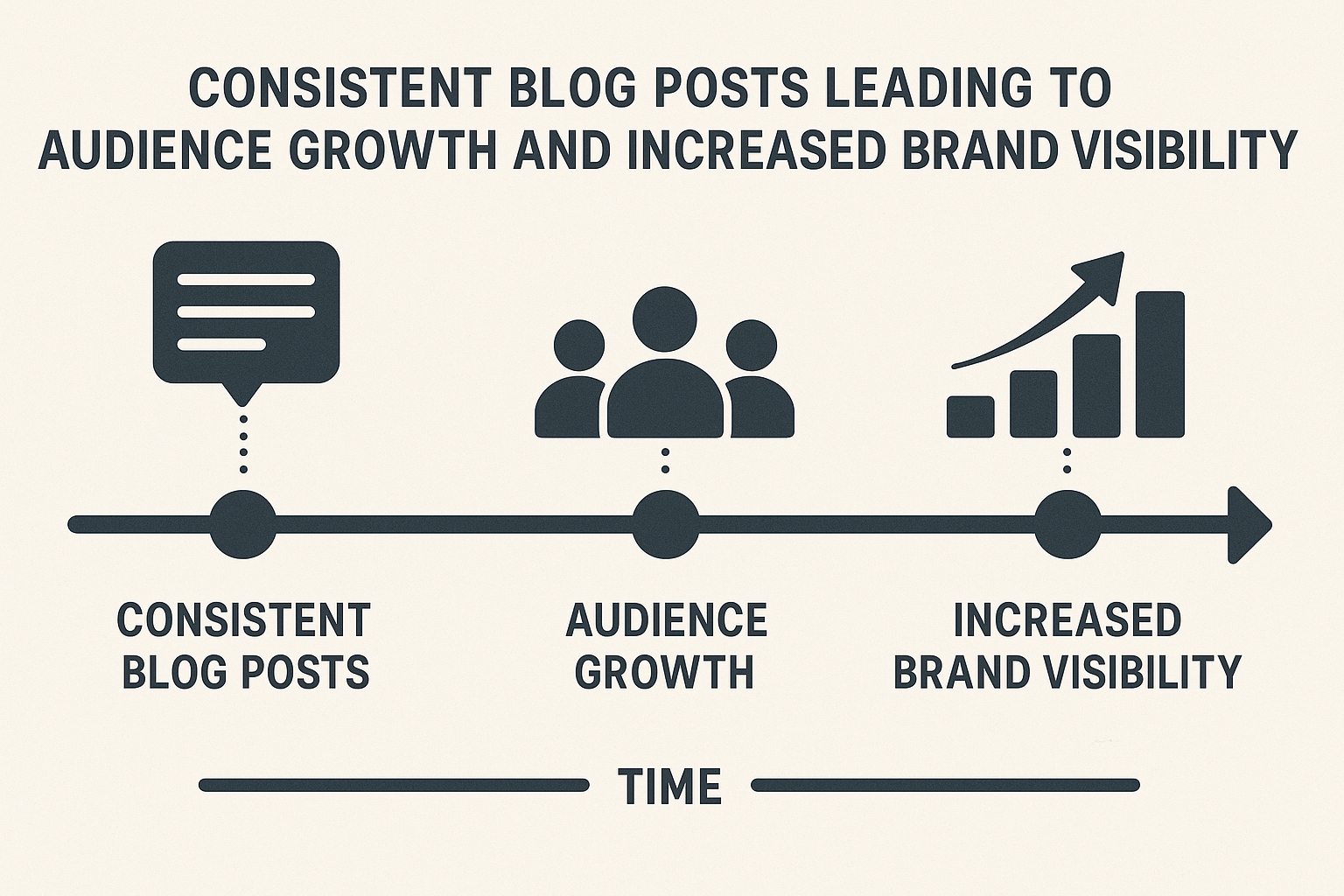
Many people fail to reach page one because they treat SEO as a one-time task. Rankings are built through consistent effort.
Publishing regularly, updating existing pages, improving internal links, and monitoring performance all contribute to long-term success. Websites that stay active and relevant outperform those that stagnate.

Local and Featured Opportunities
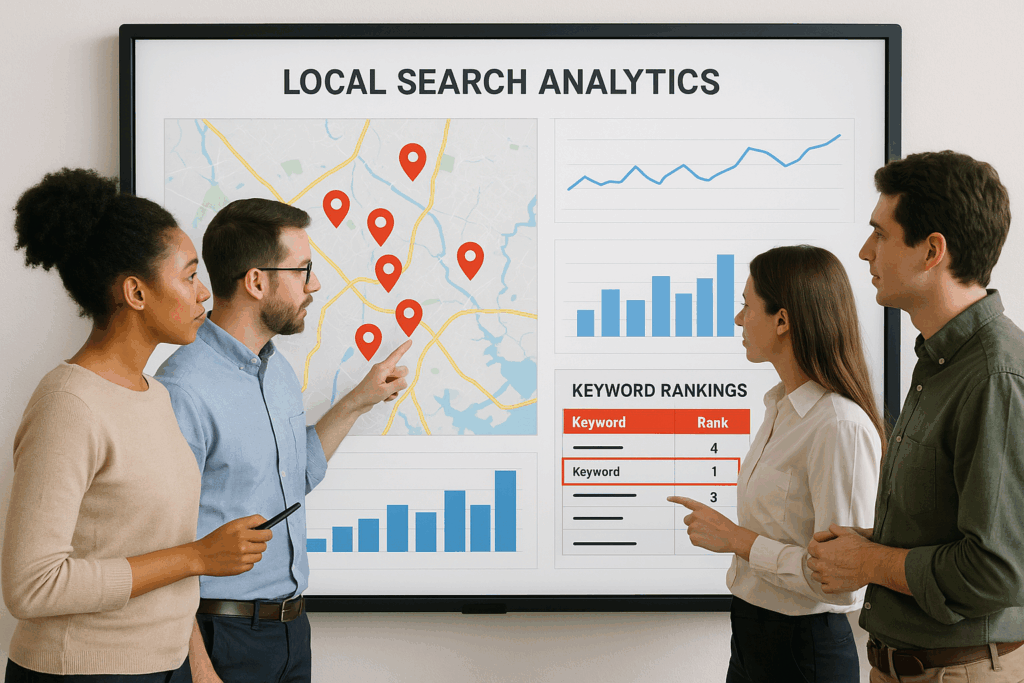
Page one is not just organic links. Local map results, featured snippets, and FAQs offer additional visibility.
Optimizing for these placements can dramatically increase page-one exposure without competing directly for traditional rankings. Structured data, clear formatting, and localized content all play a role.
Conclusion
So, how to get website on Google search first page is not about chasing a single ranking or obsessing over being number one. It is about building a website that appears repeatedly across page one for relevant searches.
By focusing on intent-driven content, strong site structure, technical SEO, internal linking, and consistent improvement, websites earn sustainable visibility that compounds over time.
At Best Website Builder Group, SEO strategies are built around page-one presence as a whole — not just one position — ensuring long-term growth, authority, and discoverability.
